


Prosthetic solutions Frontier

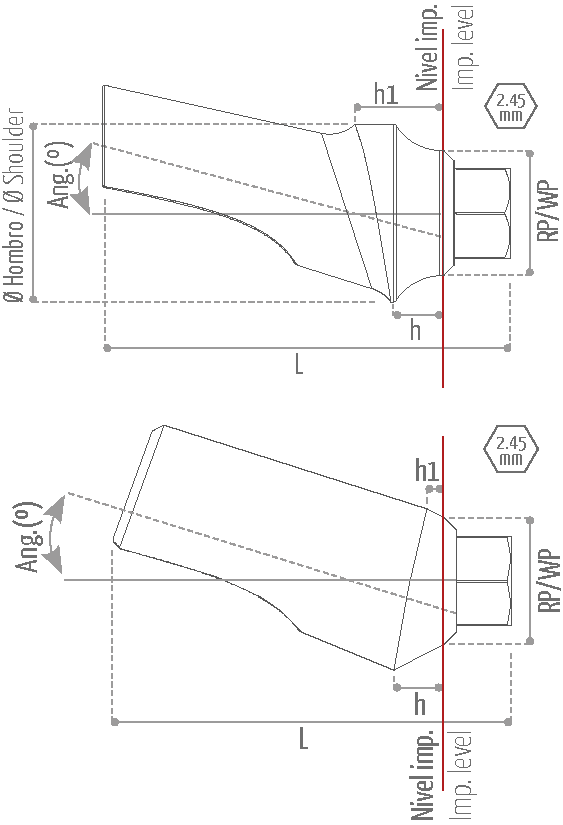
Angled abutments

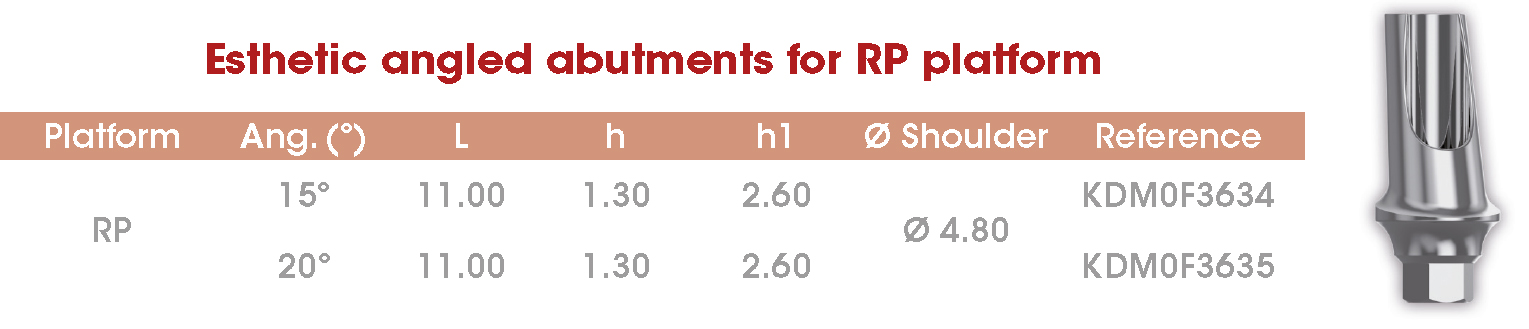
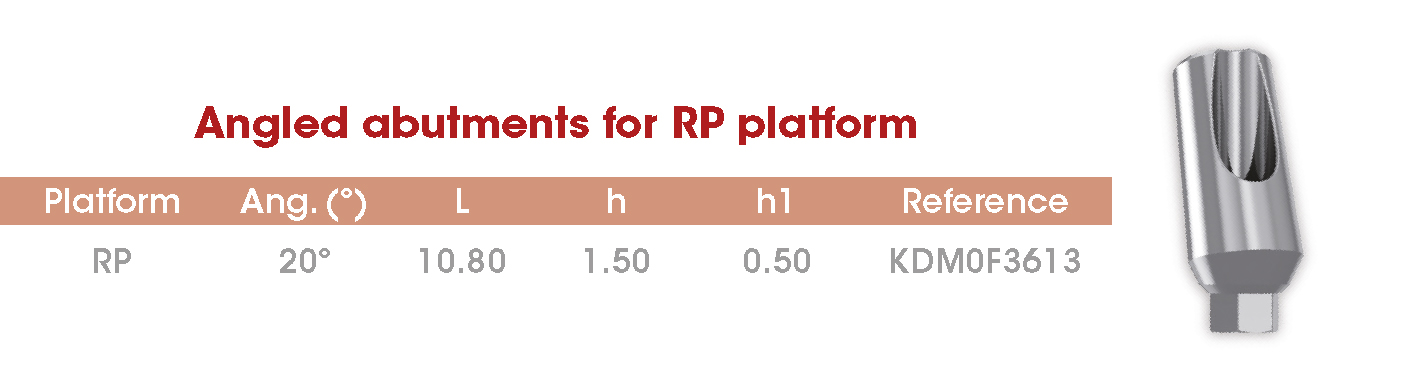
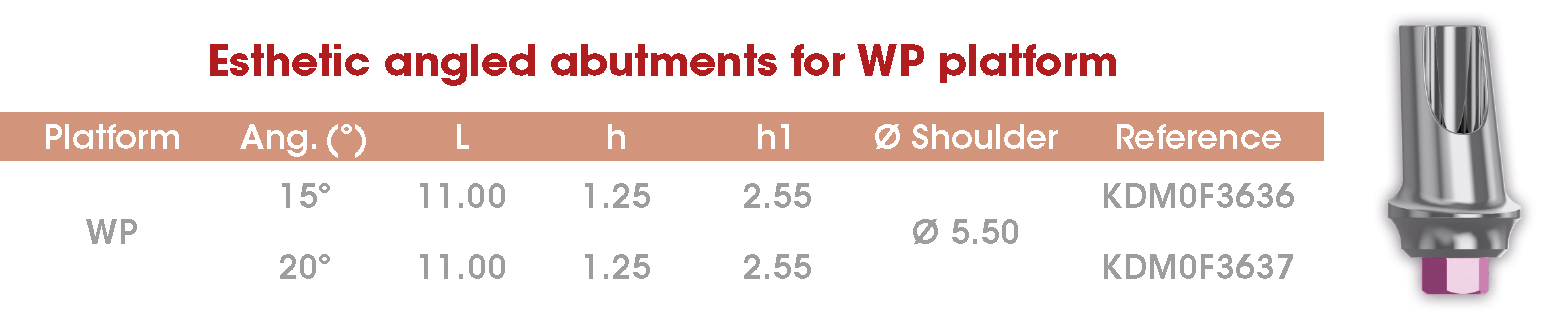
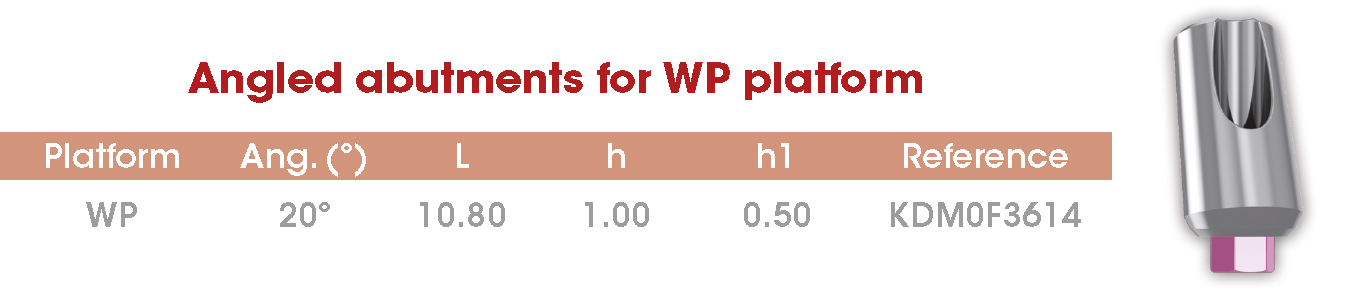
When it is necessary to correct an extreme angular position of the implant inside the bone structure in relation to adjacent natural or prosthetic teeth, angled abutments should be used, that once mounted and oriented on the implant will allow the parallelization of the new crown with other structures.

Key features

  • Grade V titanium machining as per ISO-5832 standard.
  • Allow non-parallelism correction up to 20 degrees.
  • Clinic screw part no.: KDT0C3601 included.
  • Abutment shoulder adapted to the shape of the gum

Ball abutments

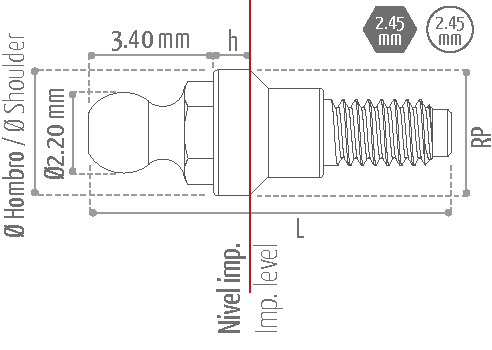
Once the healing abutment has formed the mucosal tunnel and the healing abutment has been removed from this location, the corresponding ball abutment is used, which is defined as a machined attachment being fixed to the top of the implant and serving as the retention element for the removable prosthesis, with the previous addition of the retention caps that will be fixed to the top spherical part of the ball abutment.

Key features

  • Grade V titanium machining as per ISO-5832 standard.
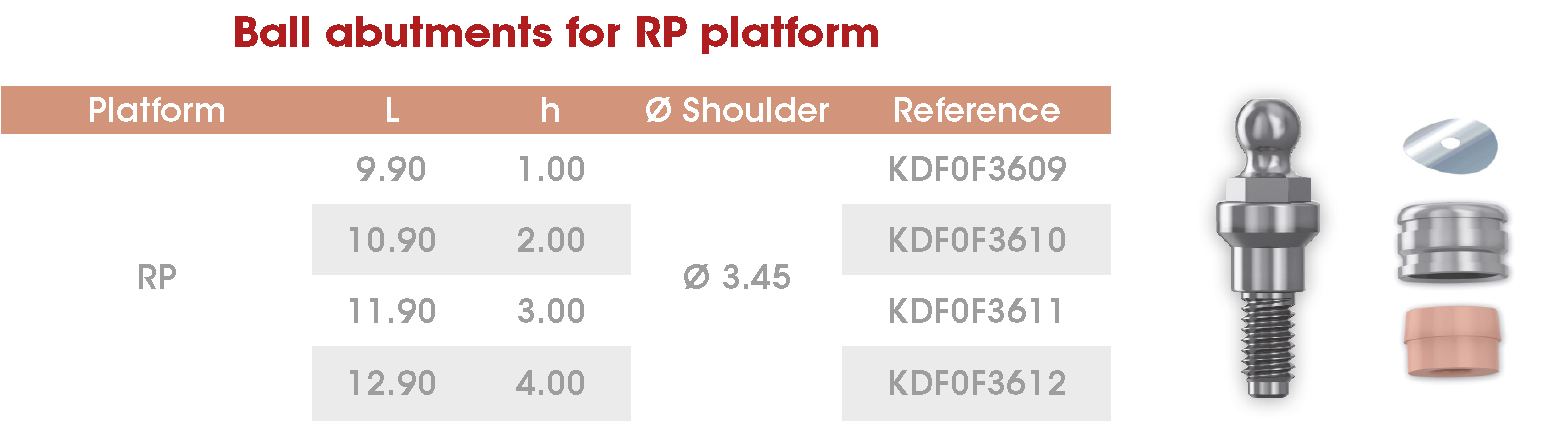
  • Available in emergency heights from 1.00 to 4.00 mm.
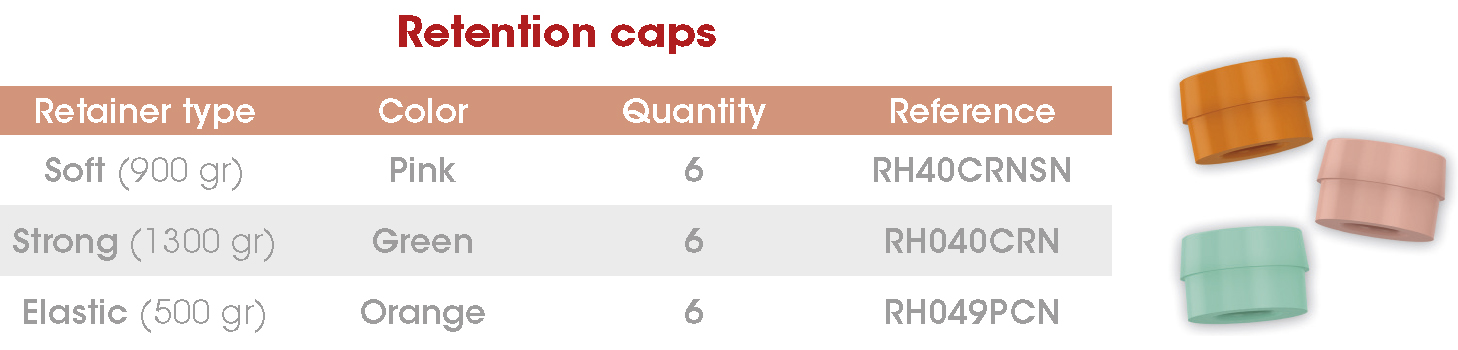
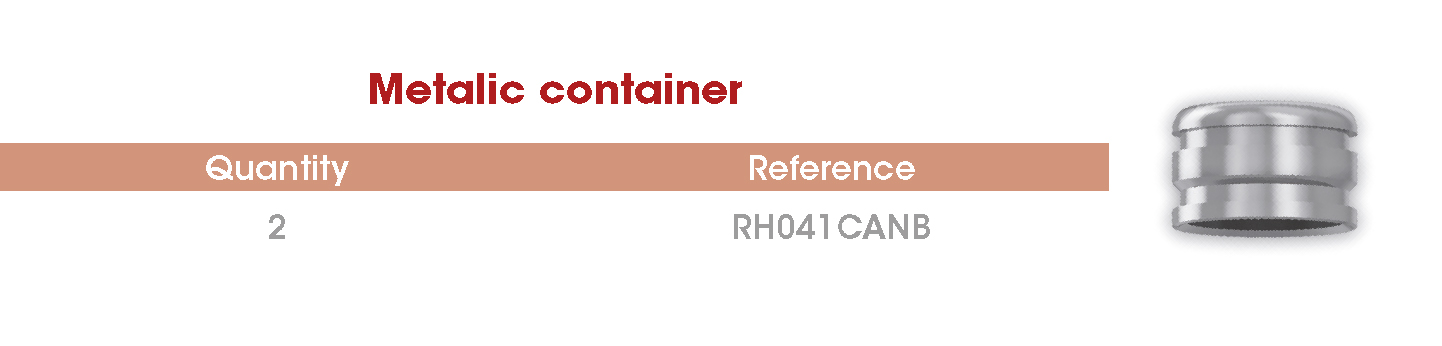
  • Pink retention cap and metal container included.
  • Protection disk included.
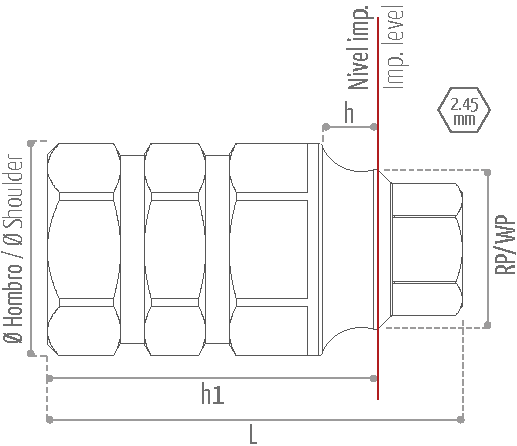
    Tightening with b/f 2.45 mm hex wrench, part no.: KYL0C0065.
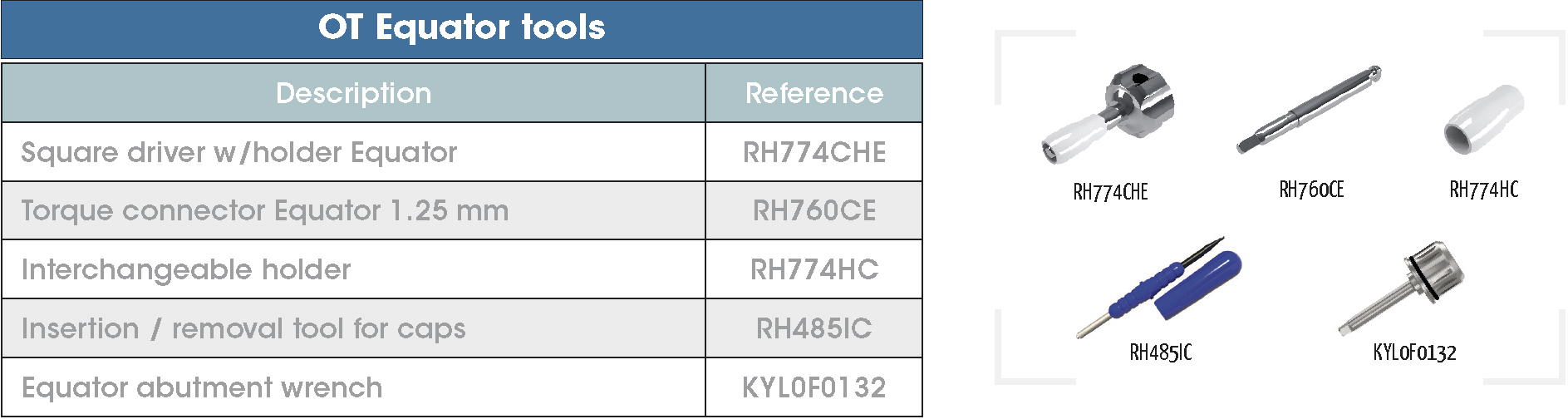
  • Instruments for caps: Insertion / removal tool for caps (RH485IC).

Bioesthetic bases

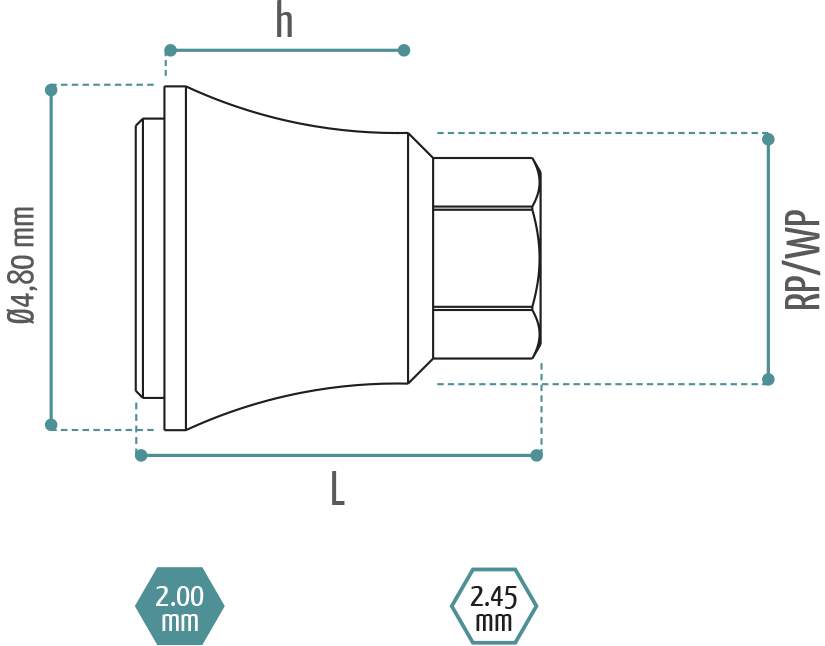
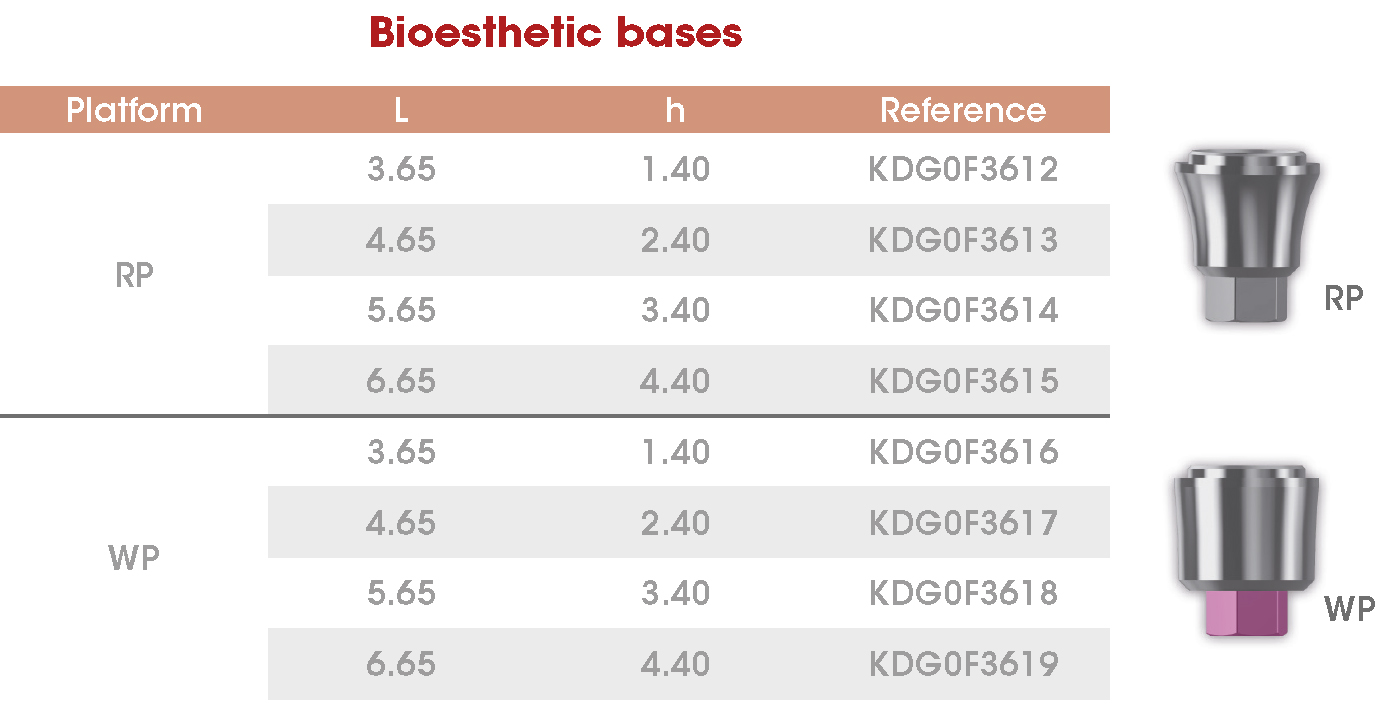
Once the insertion of the implant in the bone bed has been completed, the bioesthetic base is used, which is defined as the machined attachment that, once fixed to the coronal part of the implant, allows single restorations at the abutment level.

Placing the bioesthetic base during surgery allows the soft tissues to heal around it.

Once the tissue has healed, it serves as the basis for the rehabilitation, avoiding the connection and disconnection of the components to the implant and, therefore, keeping the biological seal intact.

Key features
  • Grade V titanium machining as per ISO-5832 standard
  • DAvailable in emergency heights from 2.50 to 4.50 mm
  • Straight two-piece bases, including the screw.
  • Tightened with hex wrench: B/F 2.00 mm (KYL0C0149).
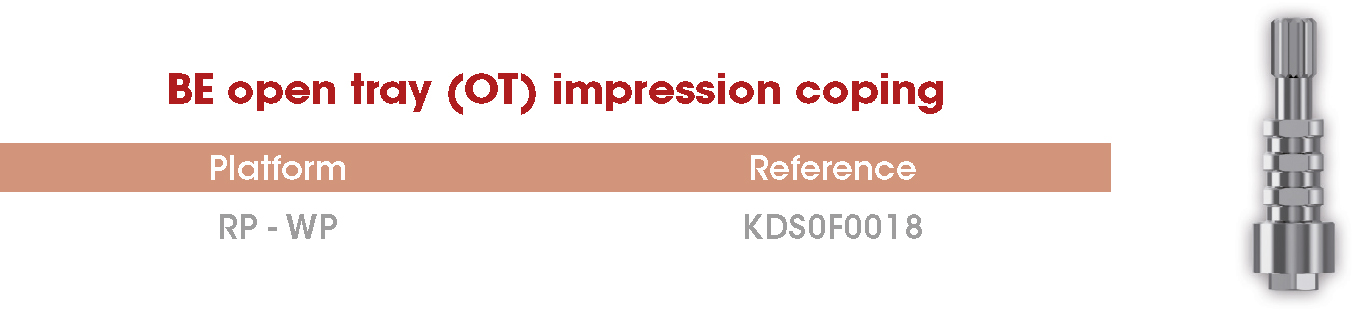
  • Impression coping with screw included.
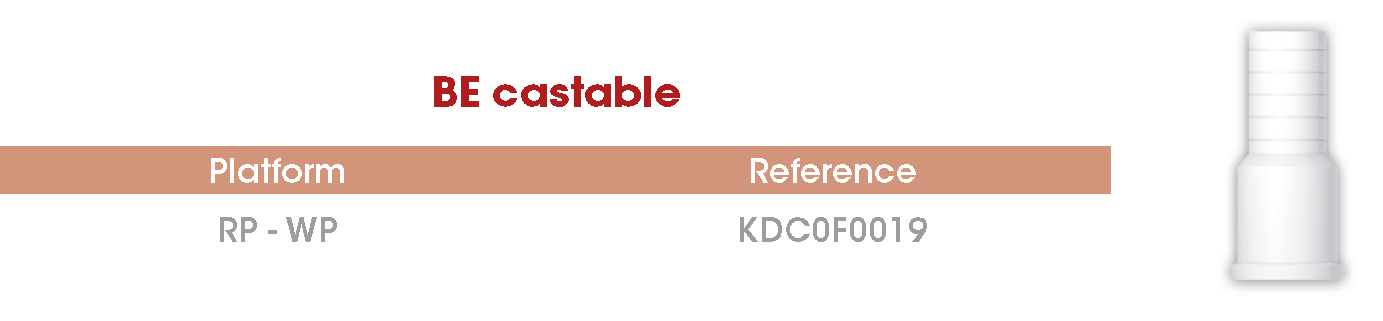
  • Castable.
  • Tightening torques: BE base (25 N·cm) and healing abutment (Manual: Max. 15 N·cm).

Castables

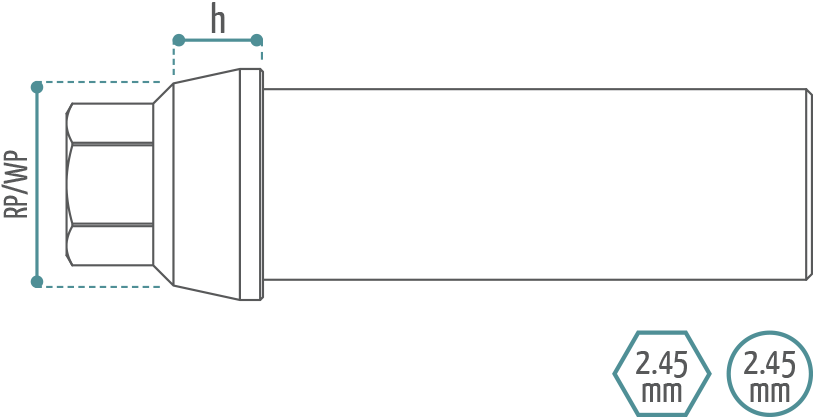
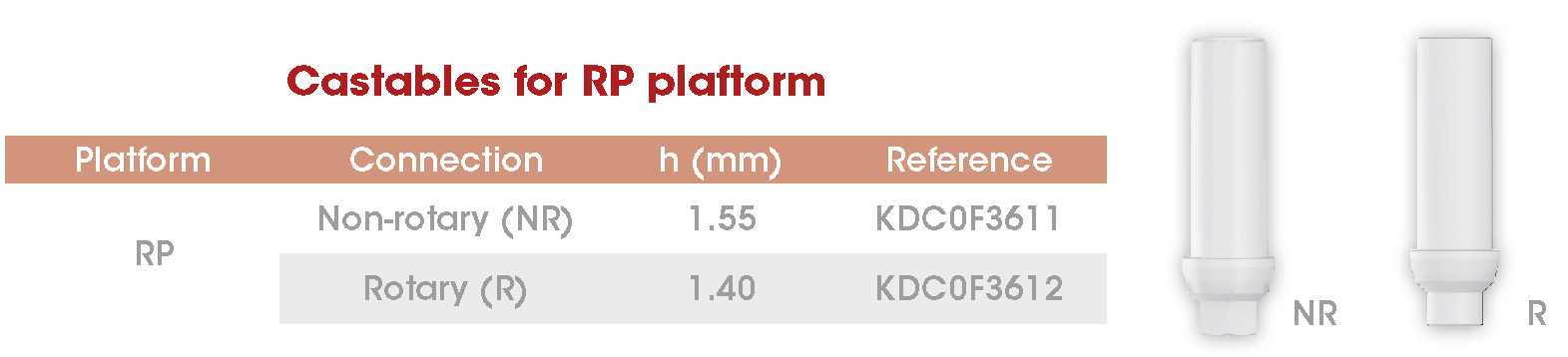
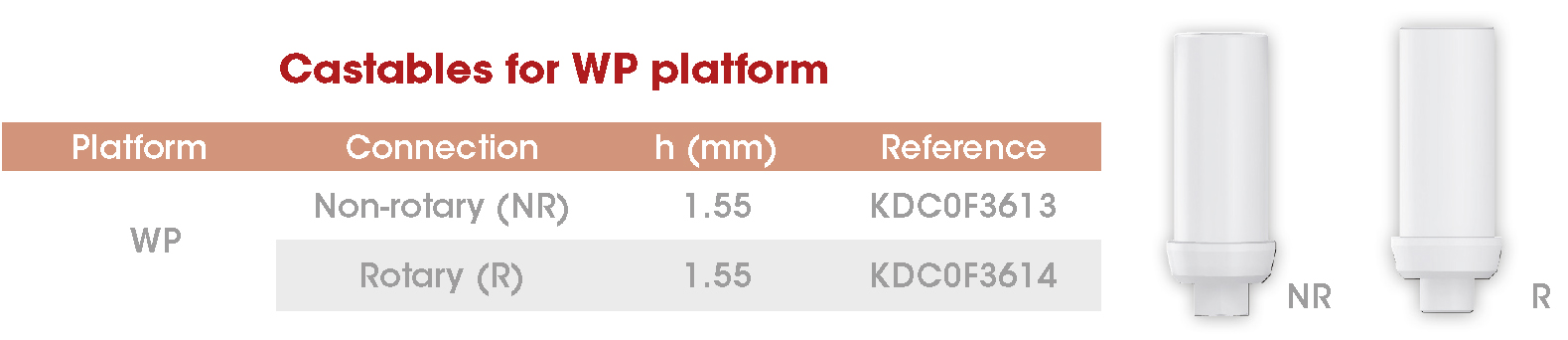
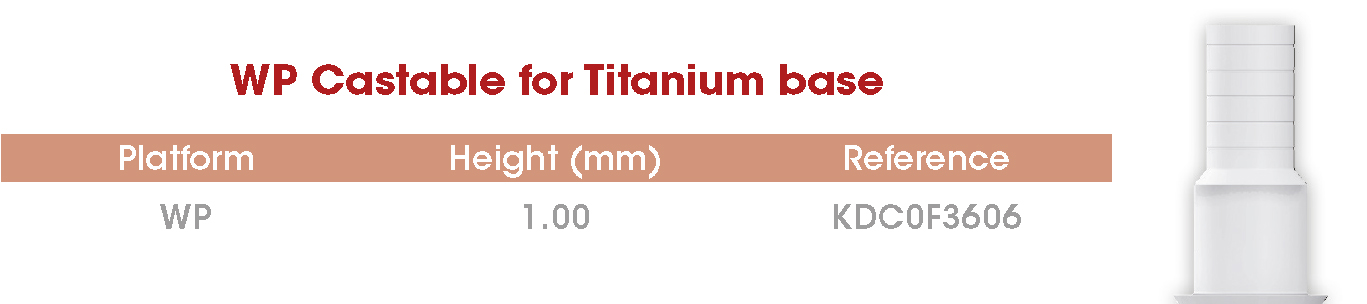
To replace a dental crown with a restoration dental prosthesis, a castable is used, which is defined as a meltable plastic machined attachment that, once positioned over the coronal part of the external connection implant, will be the initial basis to model the form of the final structure, to be cast in the corresponding metal.

Key features

  • Machined castables in white meltable plastic material.
  • Physiologically inert and excellent dimensional stability.
  • Available in rotary and non-rotary version.
  • Clinic screw part no.: KDT0C3601 included.

Clinic and laboratory screws

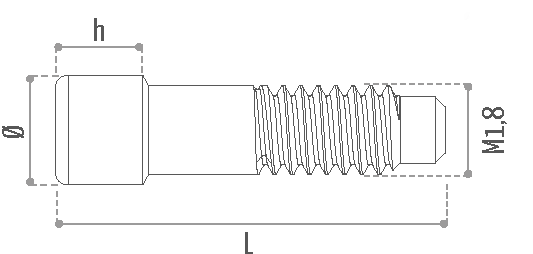
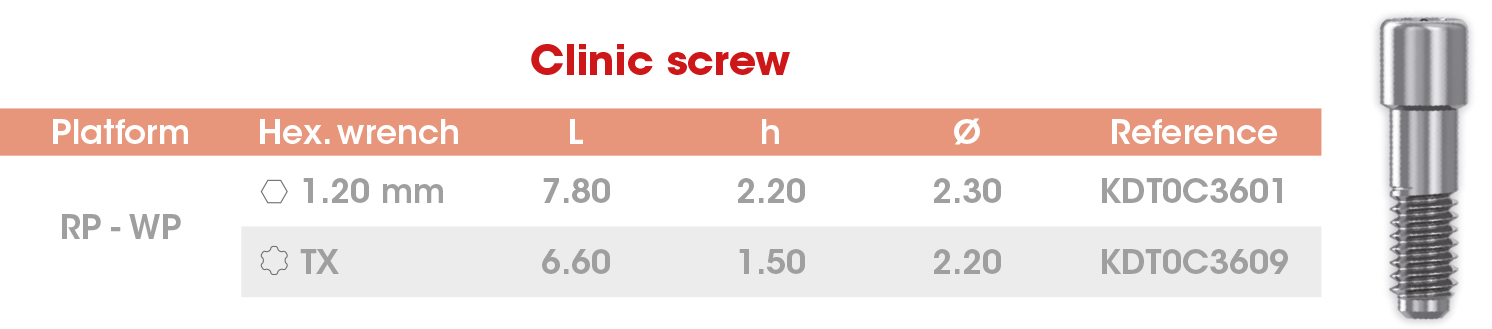
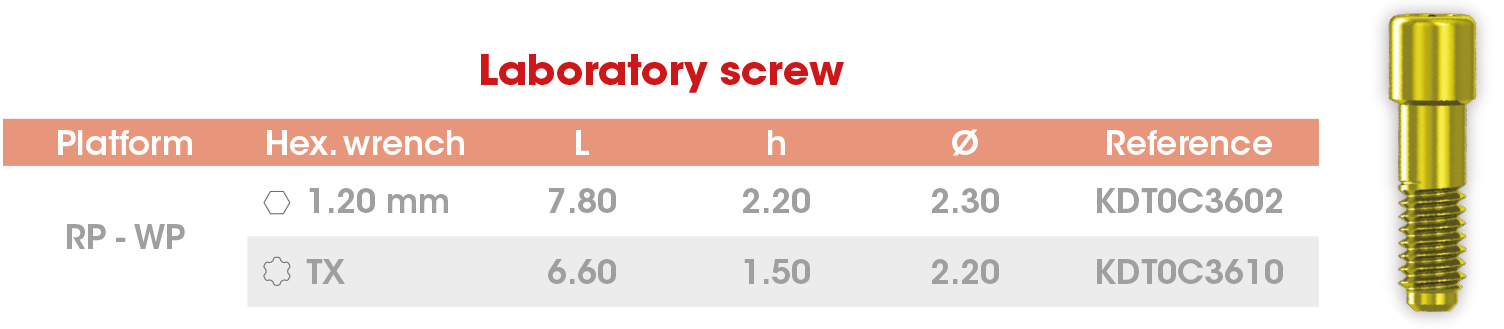
Clinic screws are defined as mechanical devices used for the final anchoring of the abutments, the transfer or the castable directly to the implant, while laboratory screws are the mechanical devices used for the temporary anchoring of castables to the replica of the implant used by the dental lab where the construction of dental crowns or prostheses takes place.

Key features

  • Machined grade V titanium clinic screws according to ISO-5832.
  • Machined laboratory screws in stainless steel quality.
  • Tightening or screws with b/f 1.20 mm hex wrench.
  • Apical bit to facilitate the start of threading.
  • Laboratory screw with groove to differ it from clinic screw.
  • TX screw allows the screw channel to be angled up to 20º.

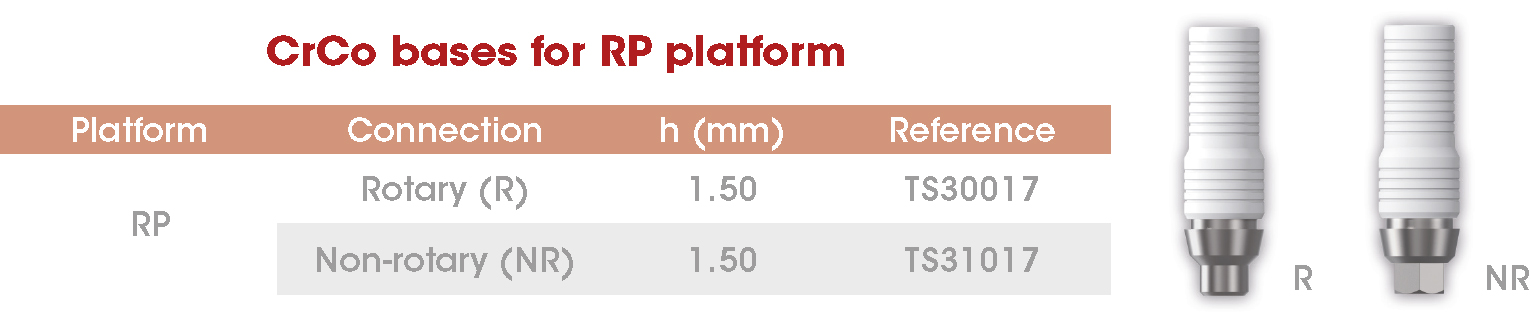
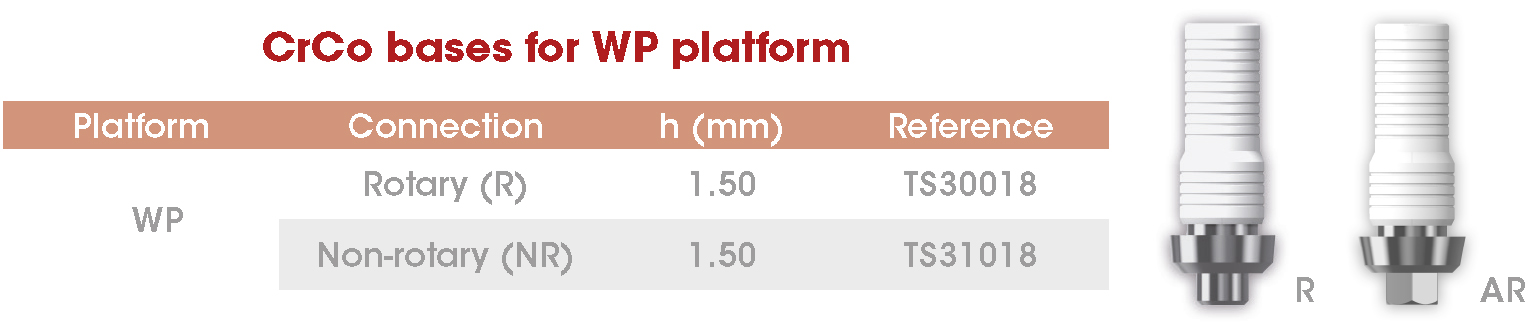
CrCo bases

The CrCo bases consist of a machined CrCo interface and a castable chimney.

This configuration allows for greater dimensional stability at the contact surfaces of the implant-abutment connection.

They are indicated for single or multiple screw-retained restorations either by conventional cast-on technique or by laser welding.
Healing abutments

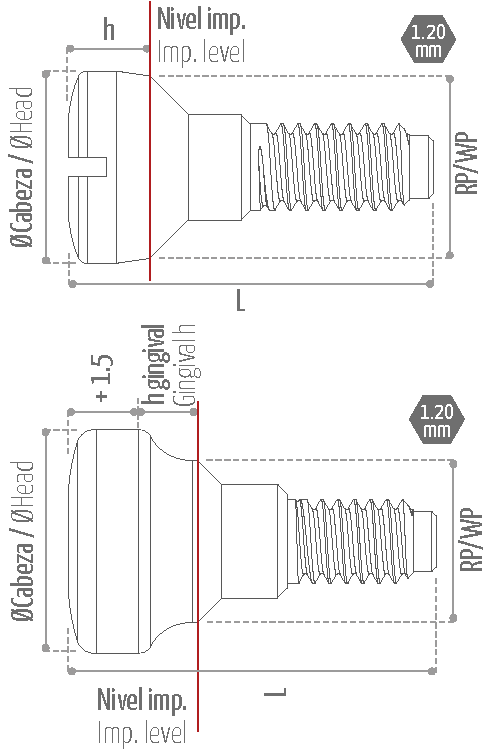
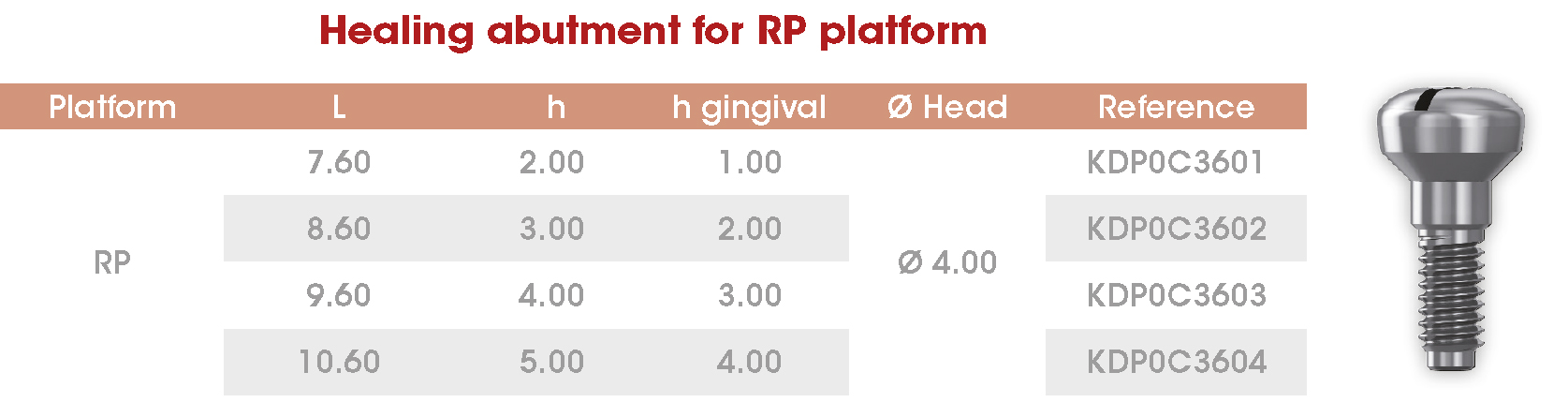
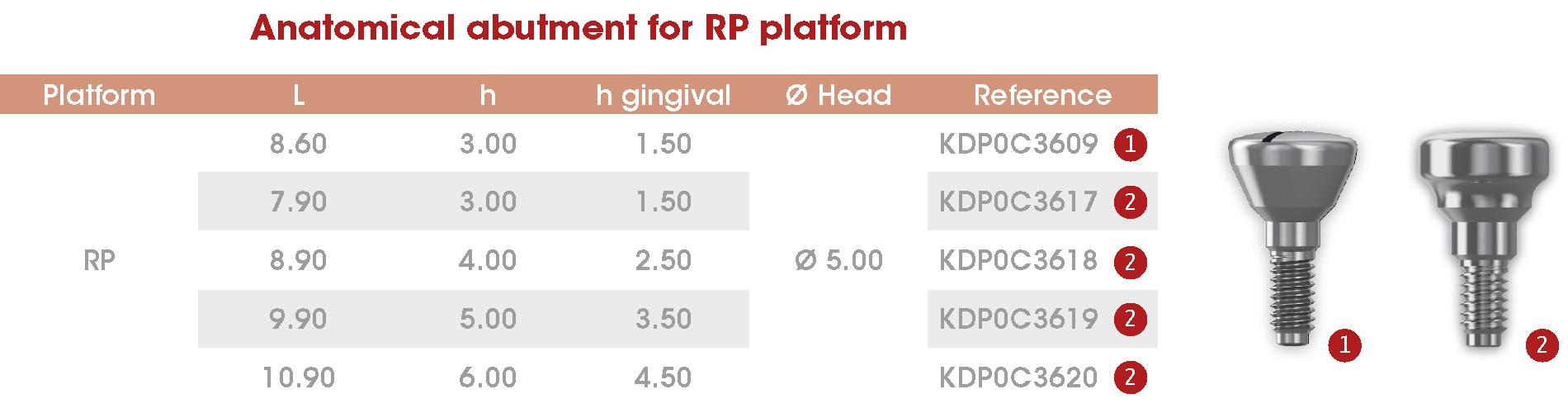
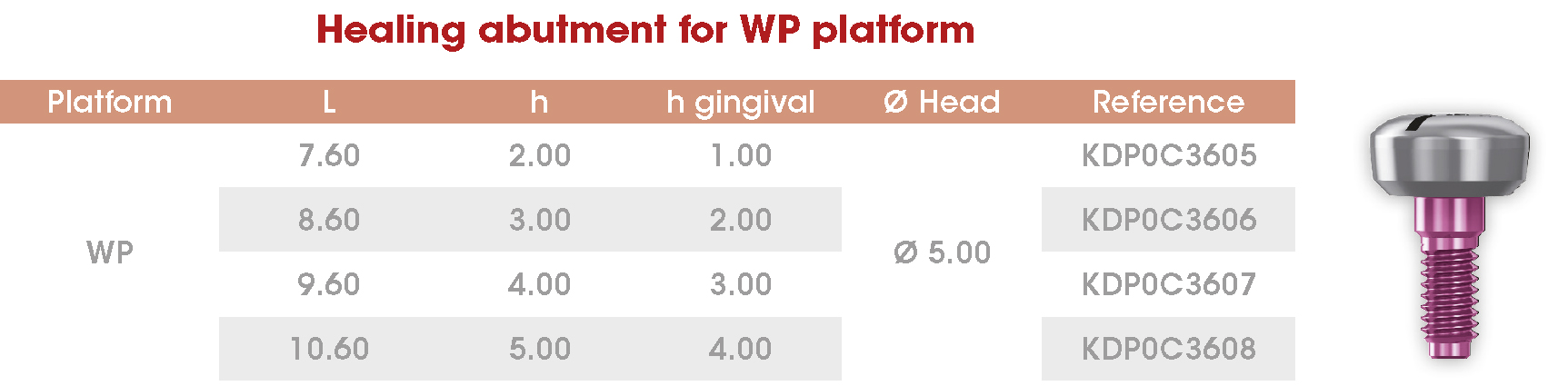
Once the repair phase of the tissue supporting the implant has finished, in the case of implants fully or partially covered by soft tissue there must be a mucosal channel or tunnel enabling connection of the implant to the prosthesis or secondary structure. Healing abutments are used to form the mucosal route, once the soft tissue has been opened by incision and the cover screw has been withdrawn, by screwing them to the implant.

Key features
  • Grade V titanium machining as per ISO-5832 standard.
  • Tightening with b/f 1.20 mm hex wrench.
  • Alternative tightening with a flat tip screwdriver.
  • Available in emergency heights from 2.00 to 6.00 mm.
  • Apical bit to facilitate the start of threading

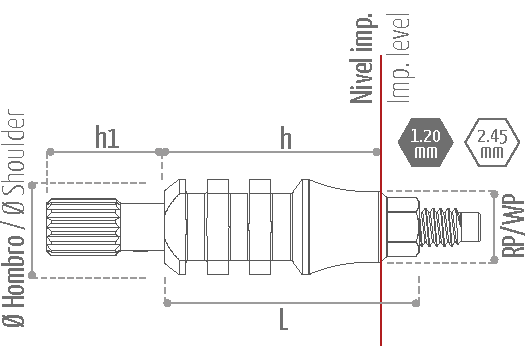
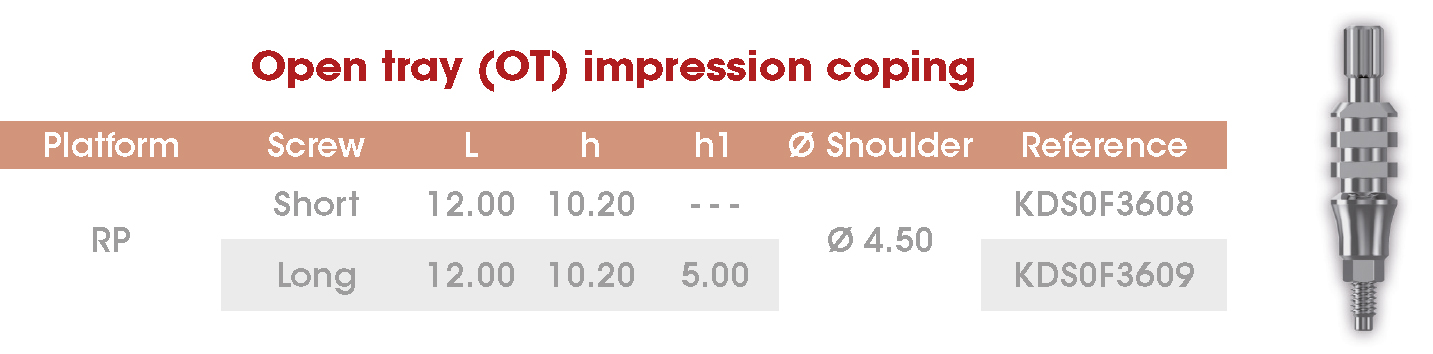
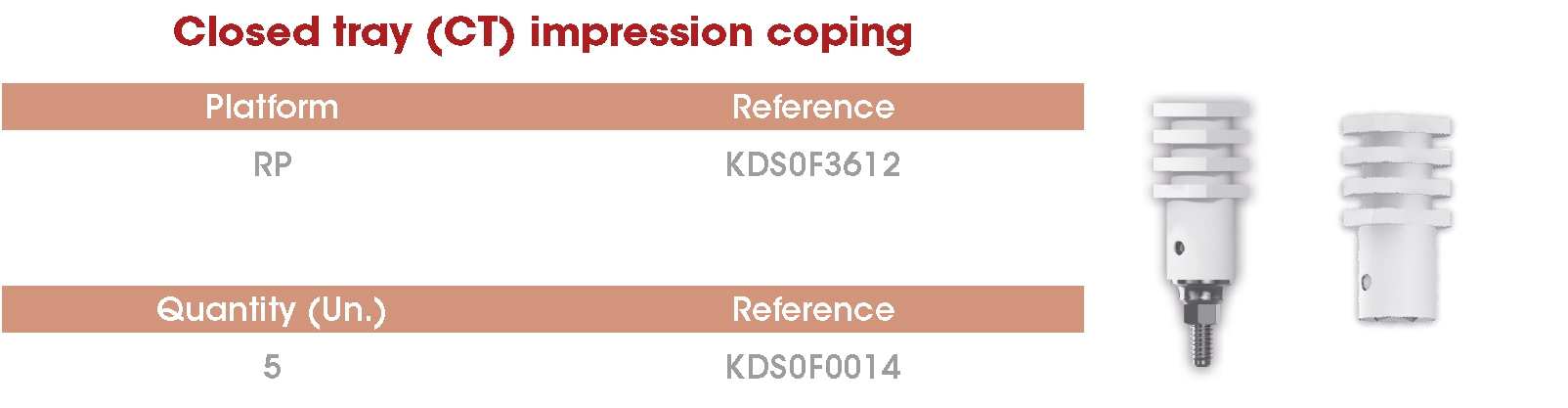
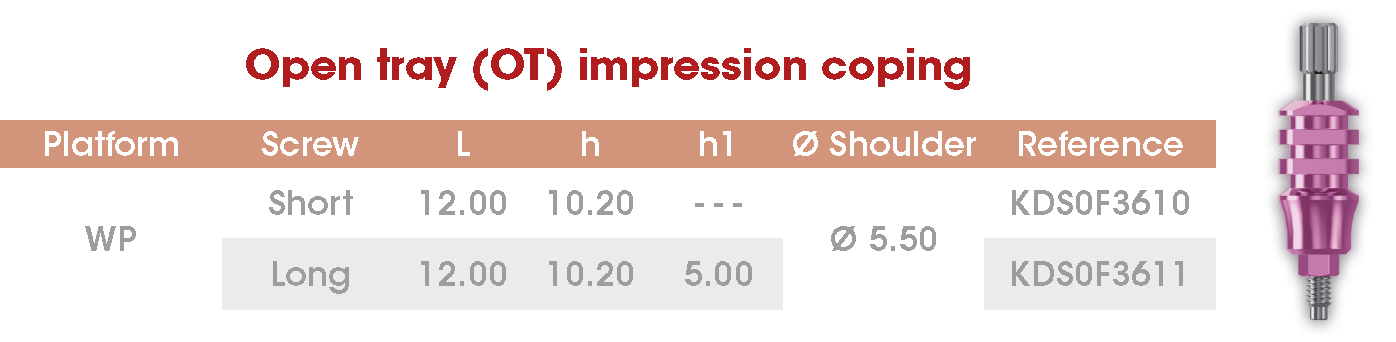
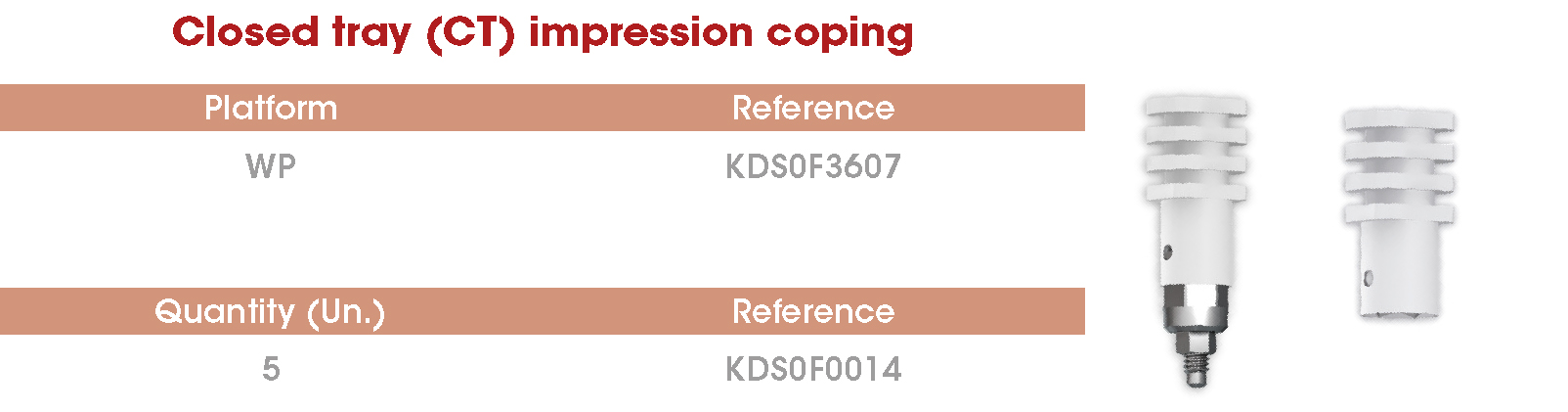
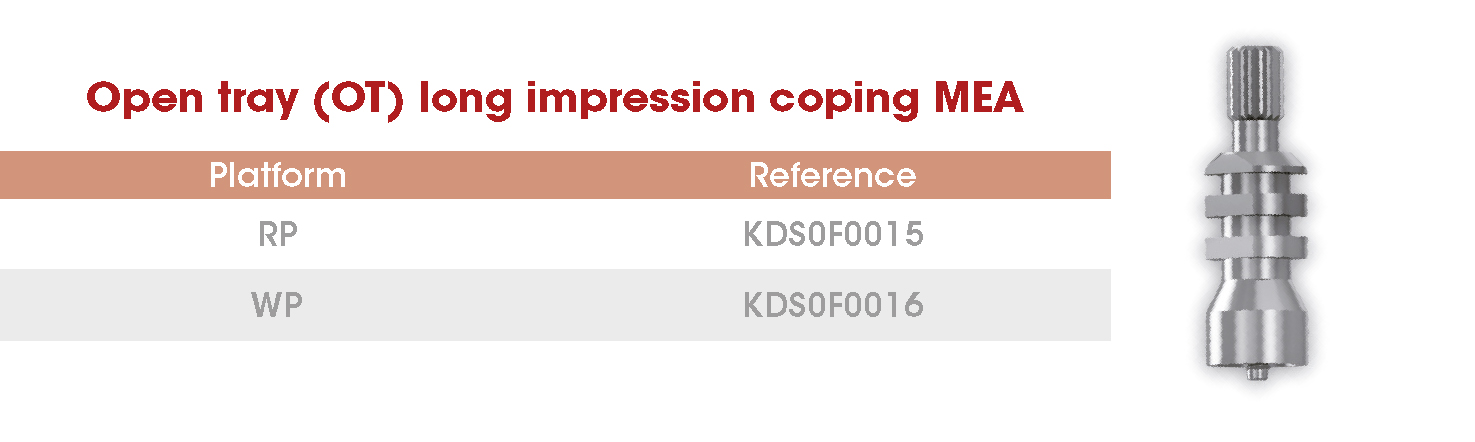
Impression coping

Impression coping are defined as the machined attachments that, connecting to the coronal part of the implant within the oral cavity and axially fixed by the impression screw, is used to make the transfer of the position of the implant in the biological medium to a laboratory model, on which the prosthetic will work to create the dental crowns or prostheses. This process is achieved using impression materials placed in an appropriate manner, that will harden in the oral cavity and produce the negative of the patient’s mouth. Once extracted, replicas are placed and the casting plaster is poured to obtain the positive mould where the replica will be placed in the original position of the implant in the mouth.

Key features

  • Machined open tray impression coping in grade V titanium according to ISO-5832.
  • Impression screws in grade V titanium according to ISO-5832.
  • Tightening of impression screws with b/f 1.20 mm hex wrench.
  • Apical bit to facilitate the start of threading impression screw.
  • Anti-rotation millings and vertical retention neck for a good fixation.
  • Impression coping screw included.
  • Long impression screw with longitudinal millings for manual tightening.
  • Closed tray impression coping machined in technical plastic.
  • Closed tray impression coping whole formed by CT impression coping + hexagonal abutment + screw.

MEA and BE screws

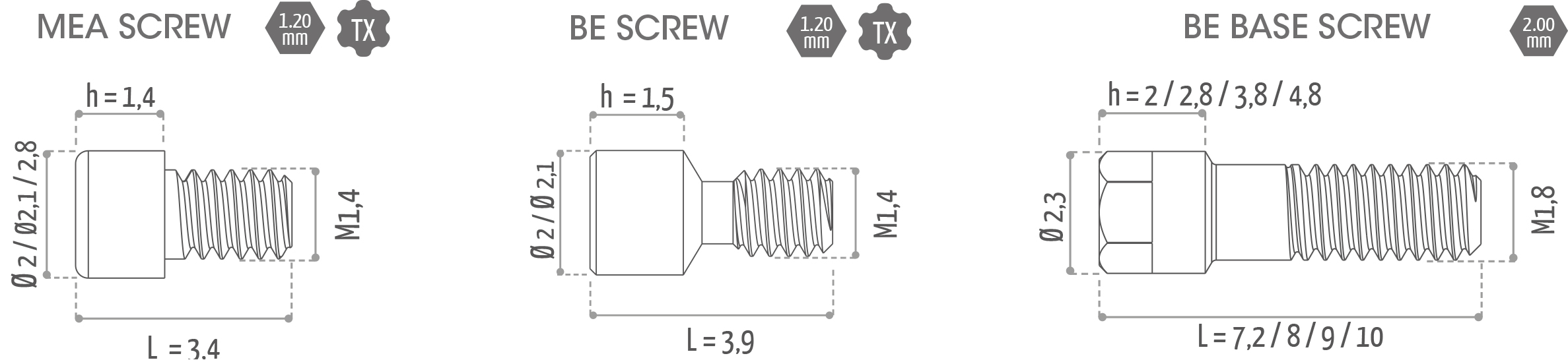
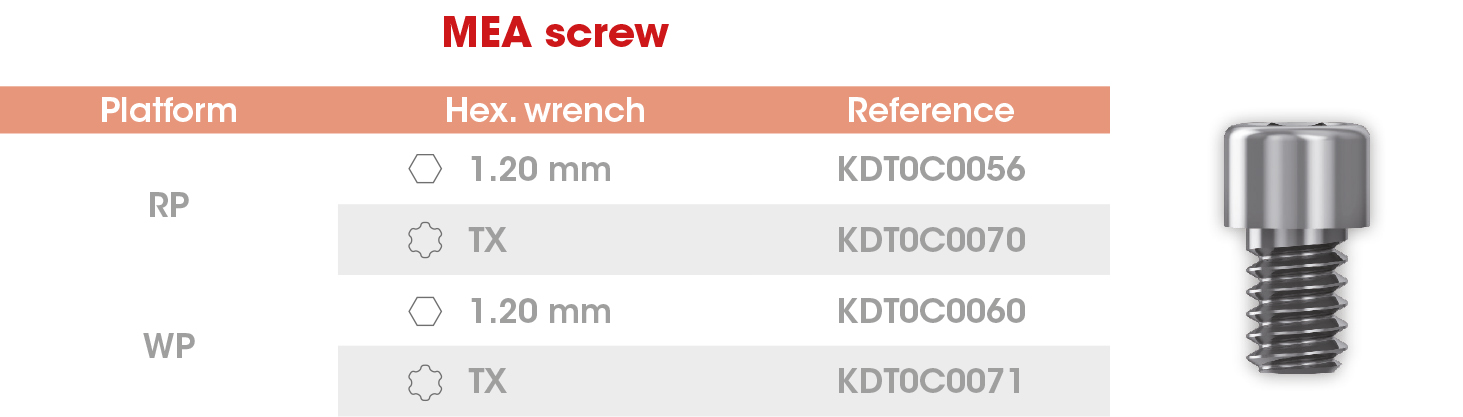
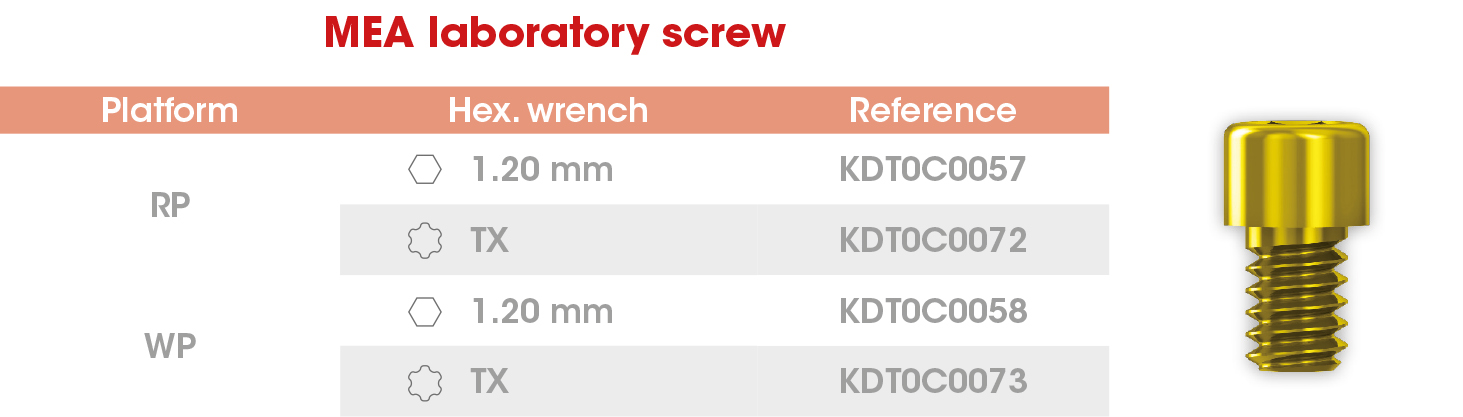
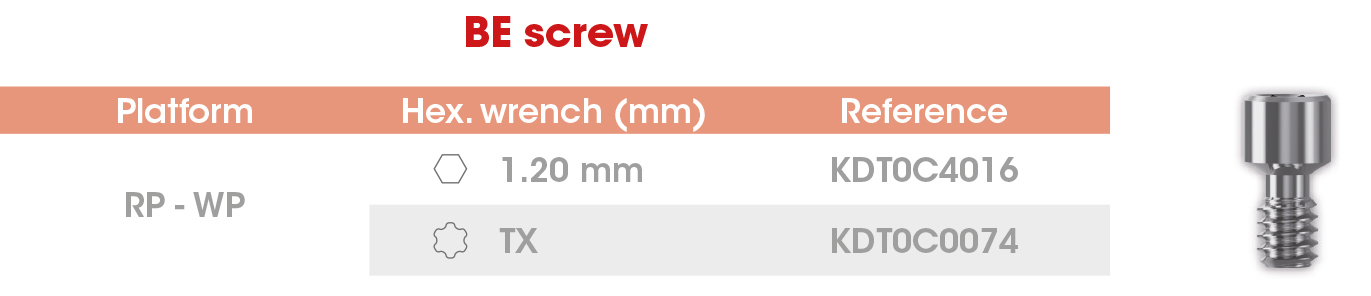
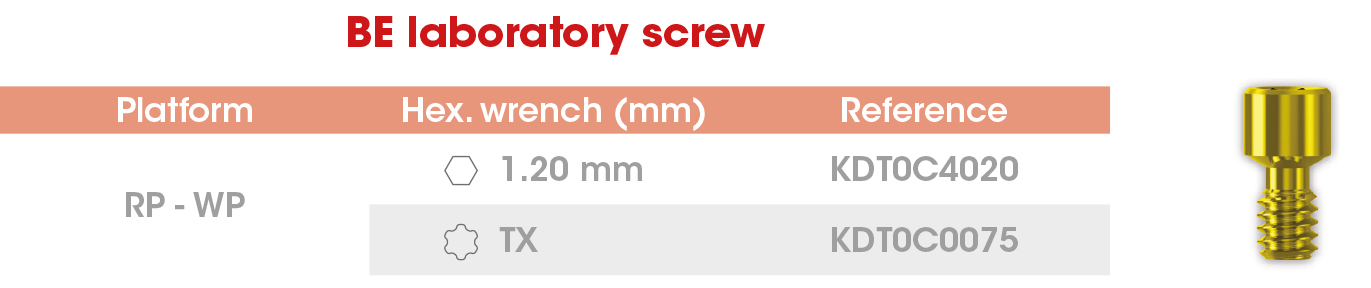
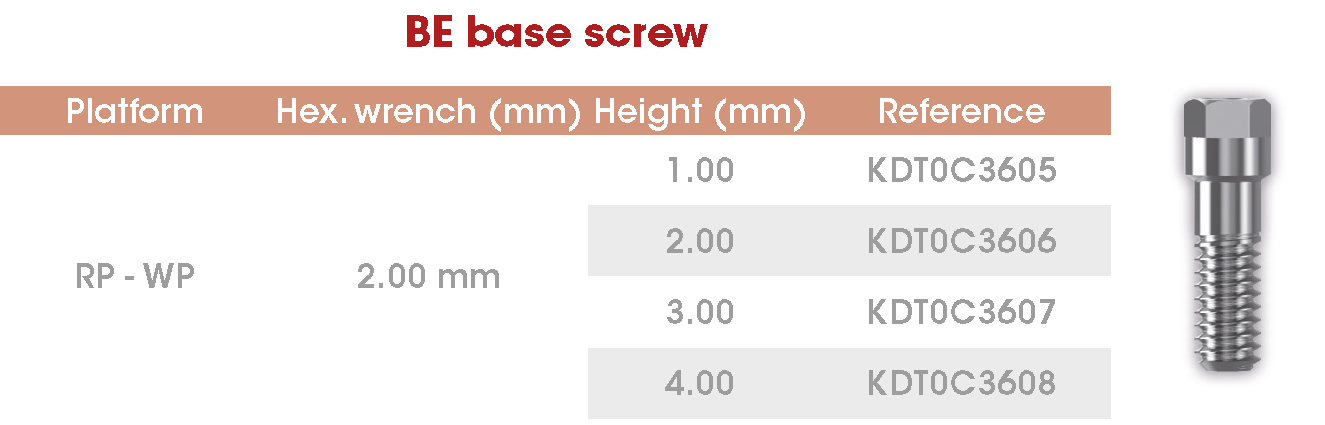
MEA and BE clinical scrrews are defined as machined devices used for the final anchoring of the ME and BE abutments, while laboratory screws are the machined devices used for the temporary anchoring of ME and BE abutments ot the replica during the fabrication of the prostheses in the laboratory.

Key features
  • Machined grade V titanium screws accordint to ISO-5832.
  • Tightening of screws with b/f 1.20 mm and 2.00 mm hex wrench.
  • TX screw allows the screw channel to be angled up to 20º.

Millable-implant abutments

When the use of a custom abutment is required, millable abutments can be used. By cutting them in any direction, they can be suited to the needs of the prosthetic. In addition and as a complementary function, millable implant carrier abutments can be used like impression coping, threading them to the implant screw through the short impression screw an using them to make the negative of the patient’s mouth for subsequent positivation on plaster.

Key features

  • Grade V titanium machining as per ISO-5832 standard.
  • They allow cutting in any direction to suit the needs of the prosthetic.
  • Compatible with b/f 4.00 mm hex wrench for use as a implant carrier.
  • Available only in non-rotary version.
  • Possibility to use as impression coping with short impression screw.
  • Clinic screw part no.: KDT0C3601 included.

Multi-esthetic abutments

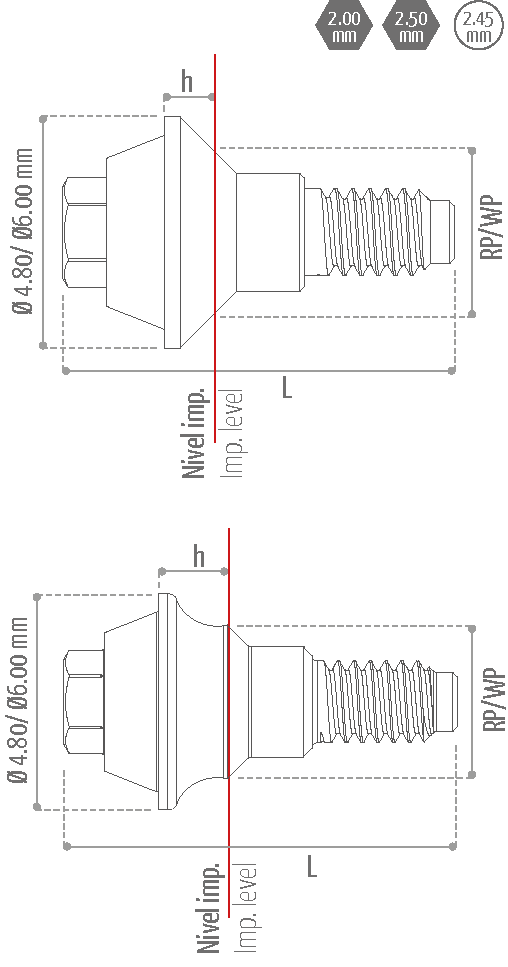
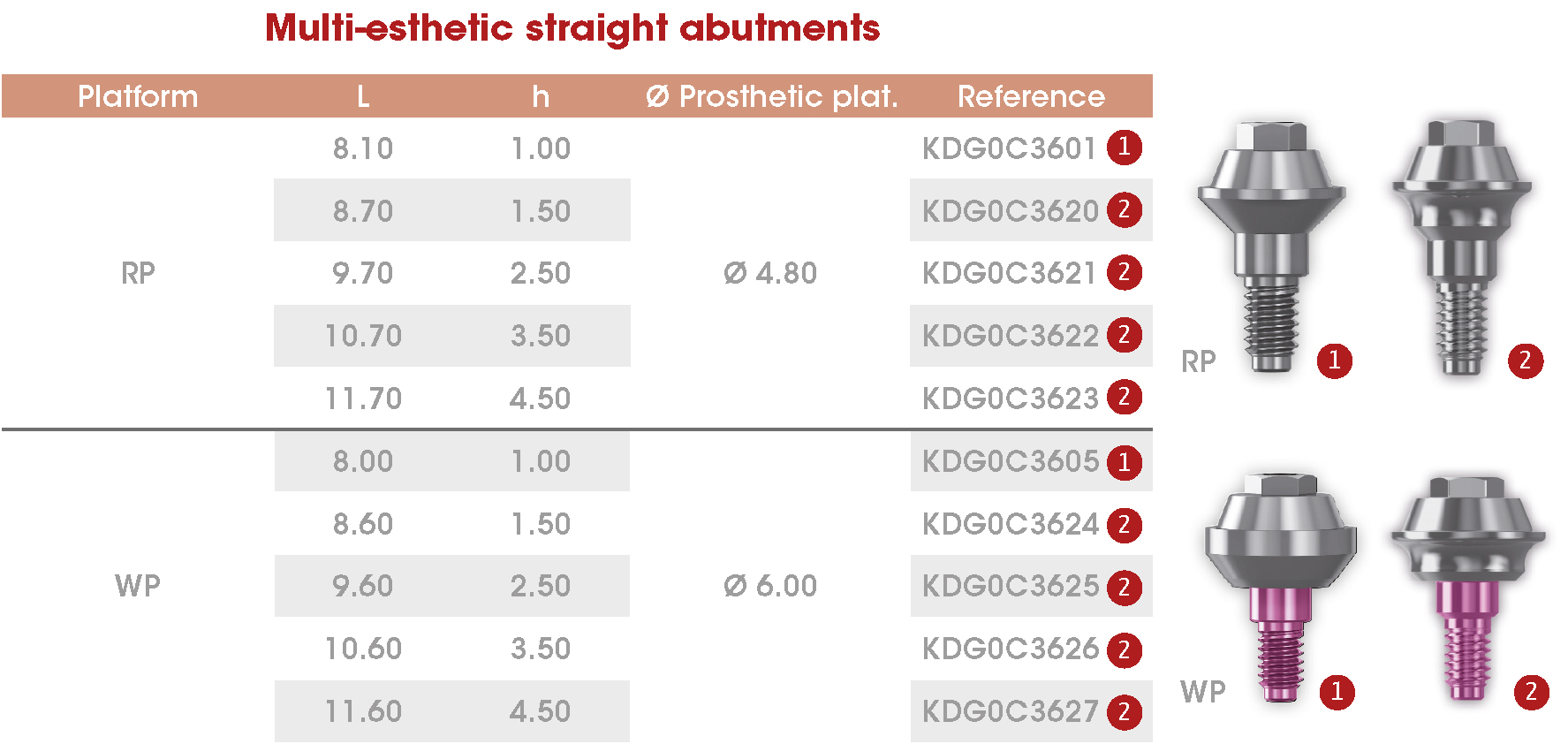
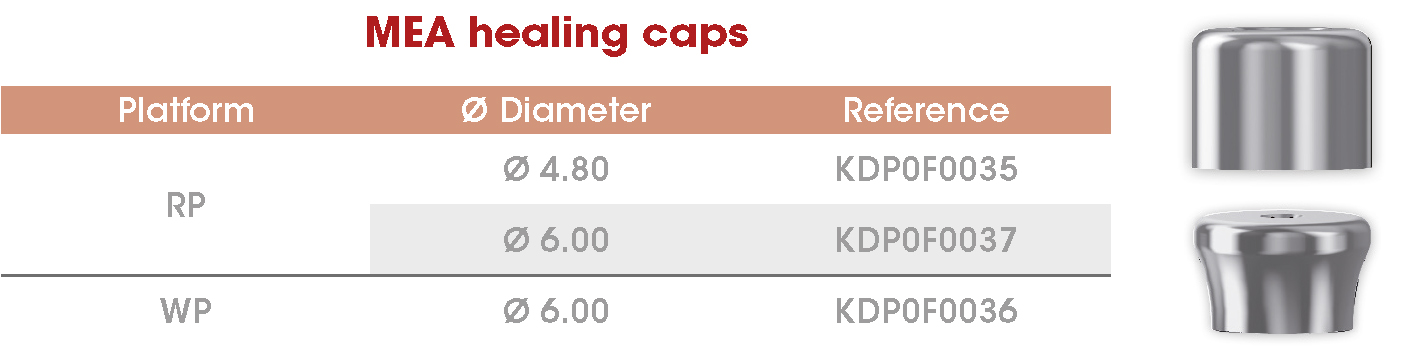
Following the first stage of surgery and therefore after implant osseointegration is achieved, the multi-esthetic abutment (MEA) is used, that is defined as the machined attachment that, after being attached to the crown of the implant, serves as a support for a multiple restoration, thus decreasing the height between the implant connection and the structure connection, and providing a passive adjustment of the structure.

Key features

  • Grade V titanium machining as per ISO-5832 standard.
  • Available in emergency heights from 1.00 to 4.00 mm.
  • One-piece straight abutments in rotary model.
  • Tightened with hex keys:
      • RP: B/F 2.00 mm (KYL 0C 0097)
    • WP: B/F 2.50 mm (KYL 0C 0098)
  • Impression coping with screw included.
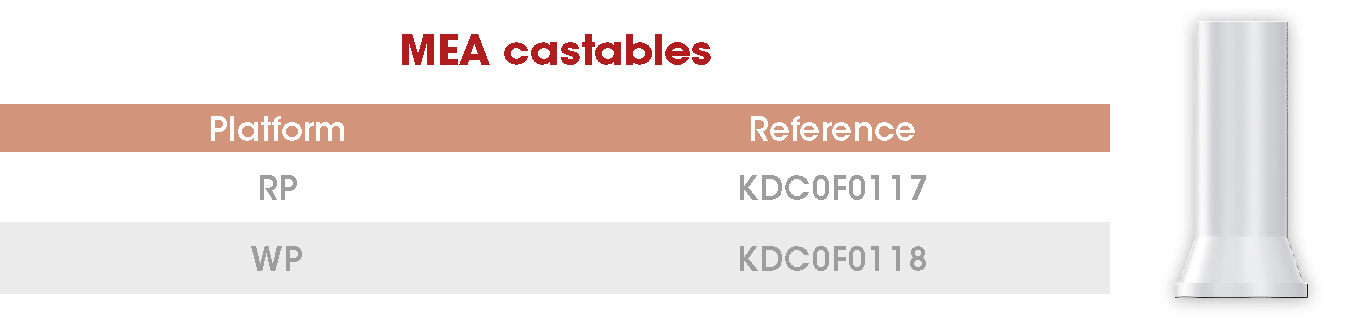
  • Castable with clinic screw included.
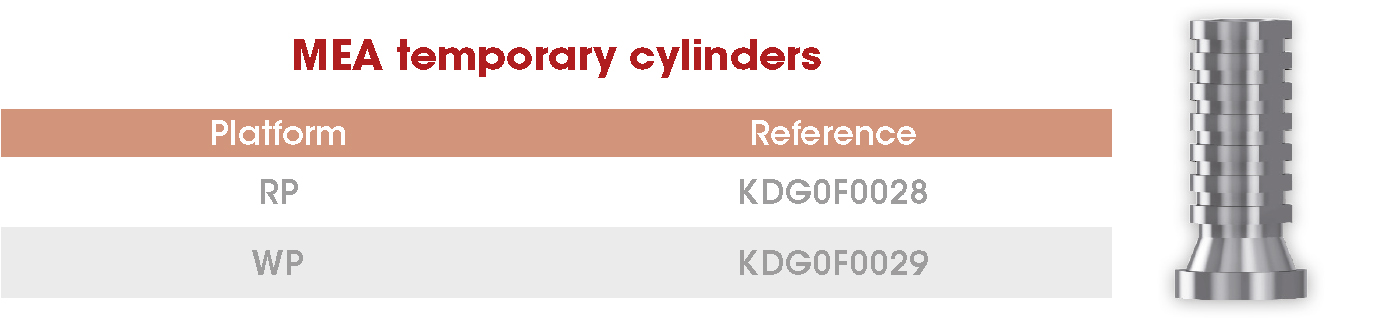
  • Temporary cylinder in grade V titanium with clinic screw included.
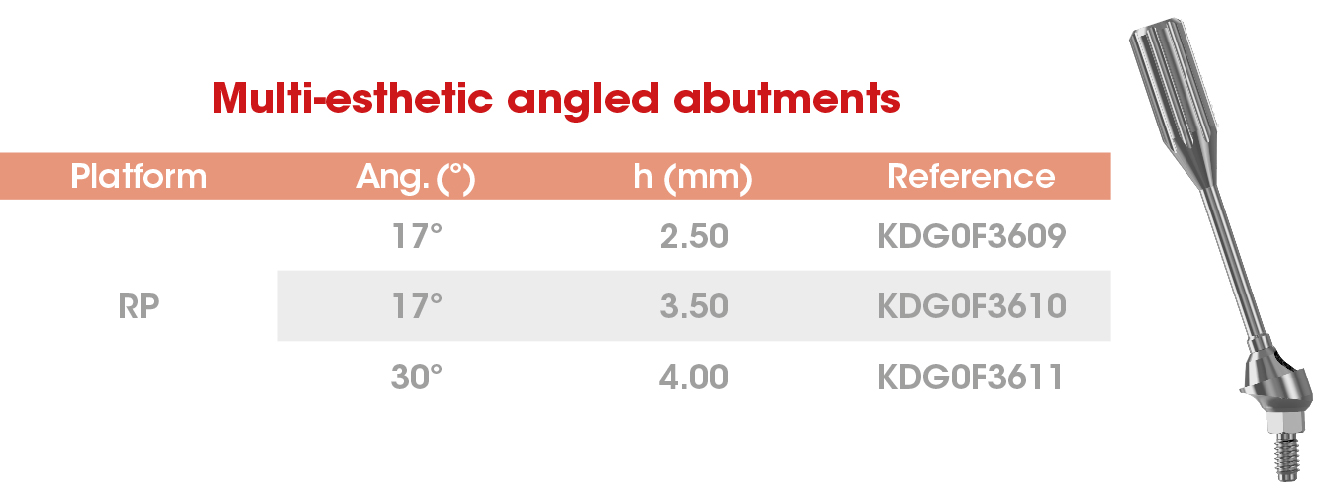
  • Angled multi-esthetic abutments allow non-parallelism up to 30º.

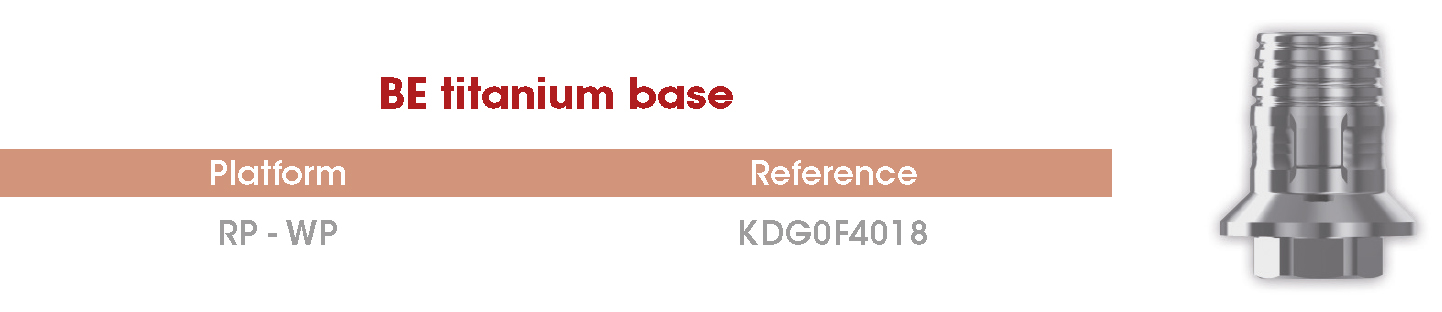
Titanium Base

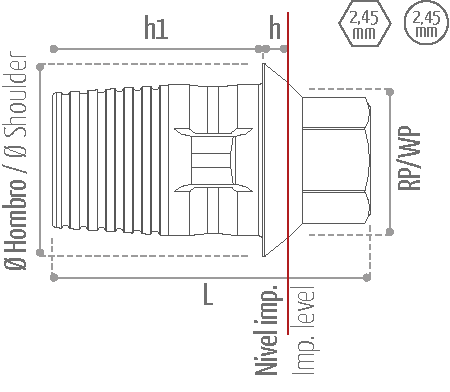
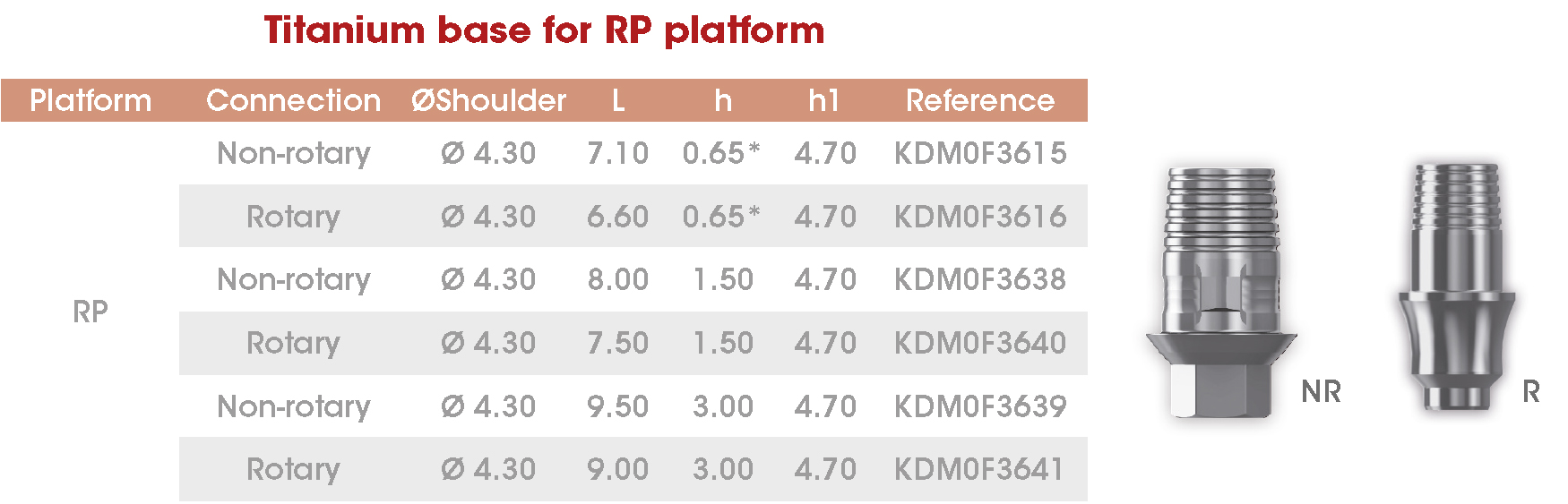
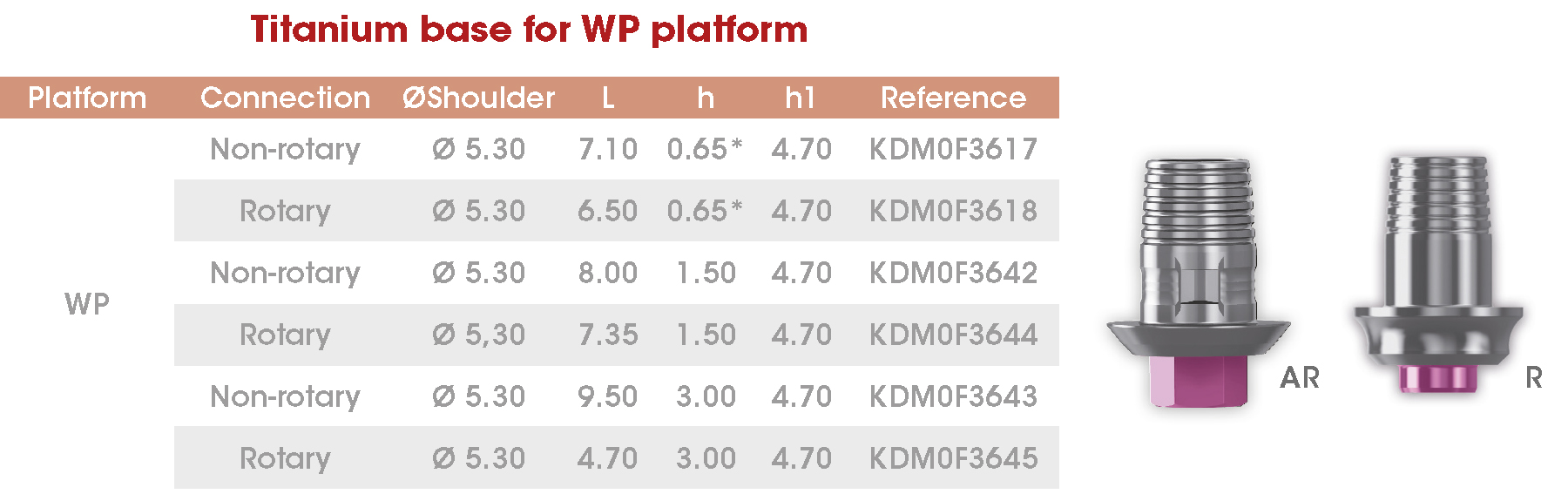
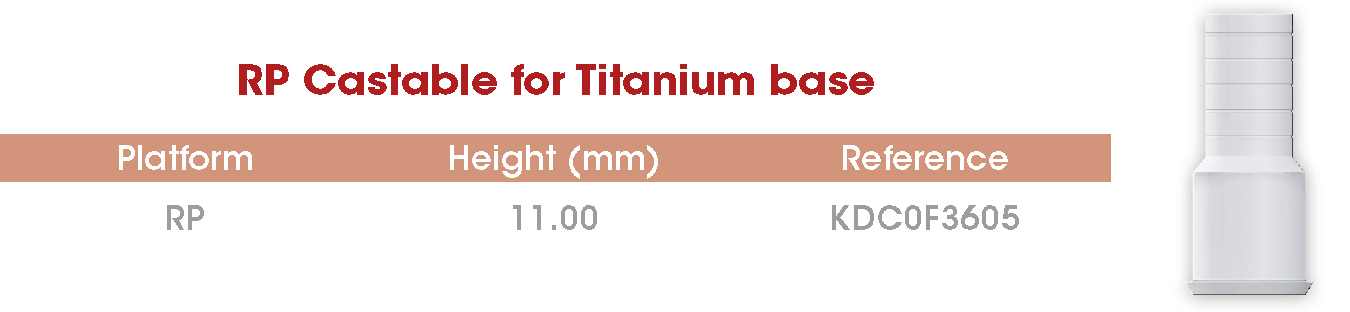
Once the mucosal tunnel has been formed by the healing abutment and after removing the cap from this location, it is appropriate to use the titanium base, which is defined as the machined tapered attachment that, after being fixed with the clinic screw to the top of the implant, acts as a support for a metallic or ceramic meso-structure casted or machined with CAD/CAM.

Key features

  • Grade V titanium machining as per ISO-5832 standard.
  • BaseTitanio-Frontier
    Non-rotary and rotary version.
  • Clinic screw part no.: KDT0C3601 included.
  • Available in emergency height of 0.60 mm.
  • Non-rotary titanium base with indexation.
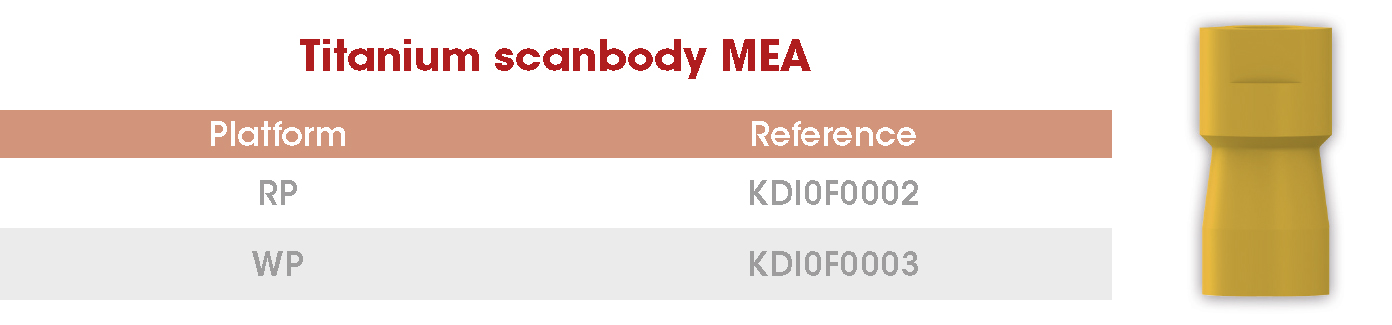
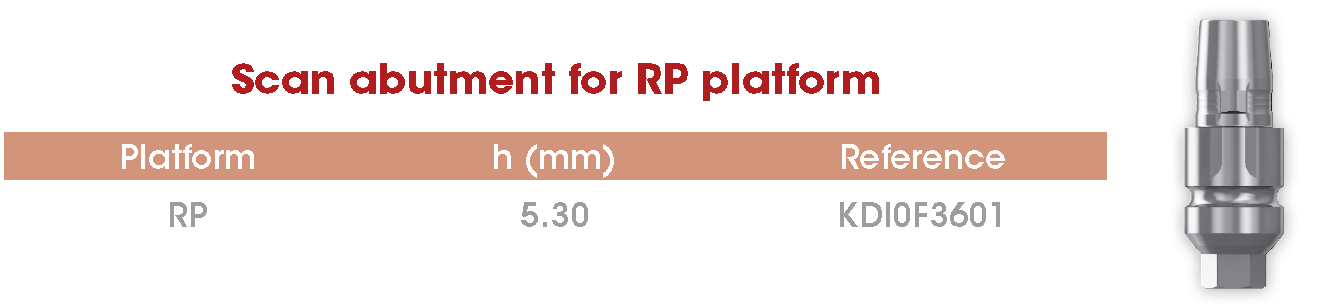
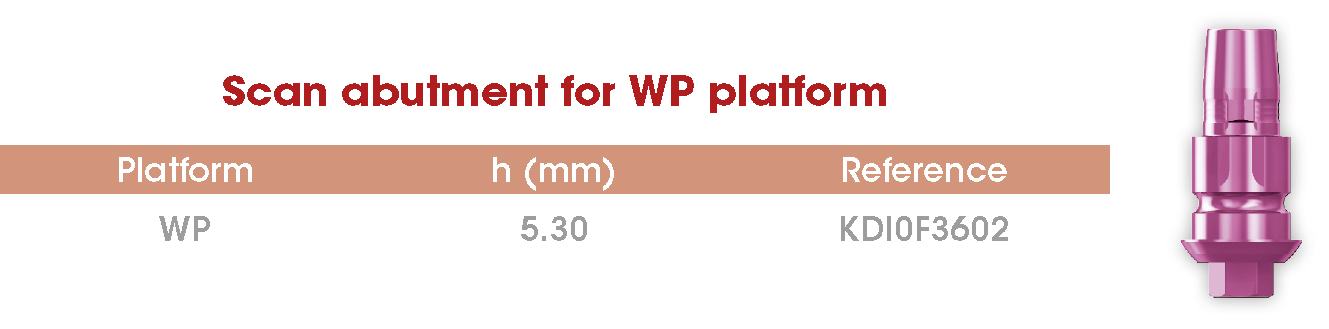
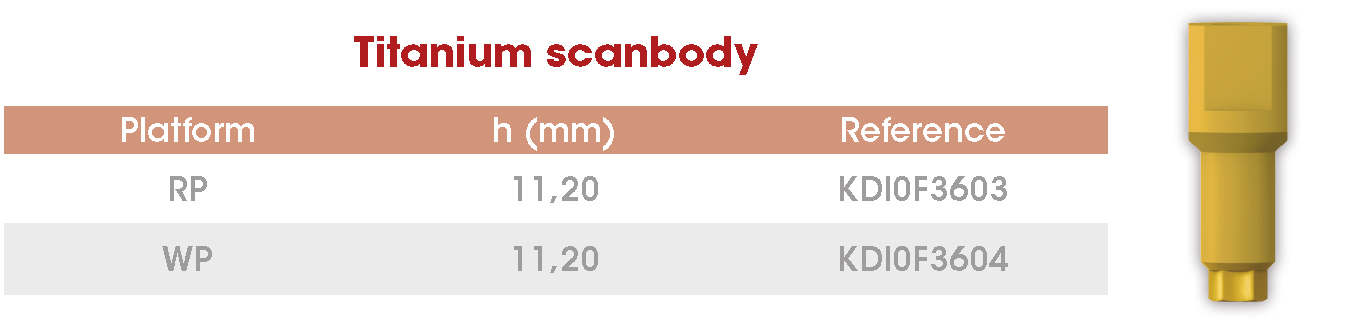
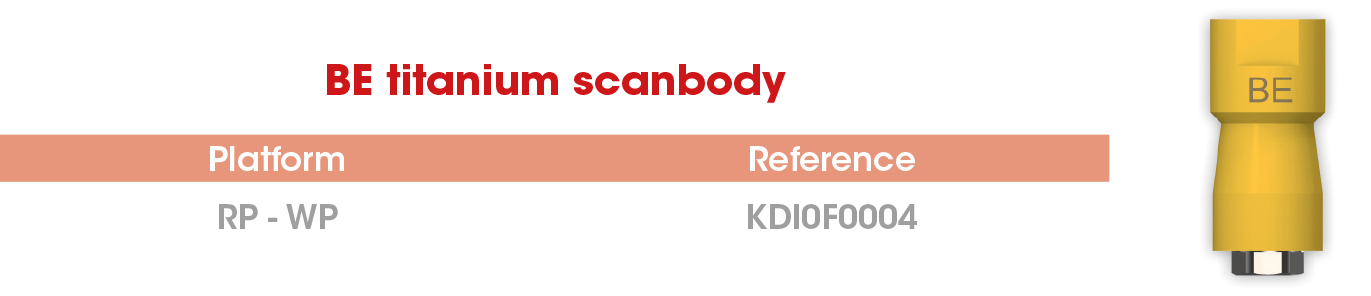
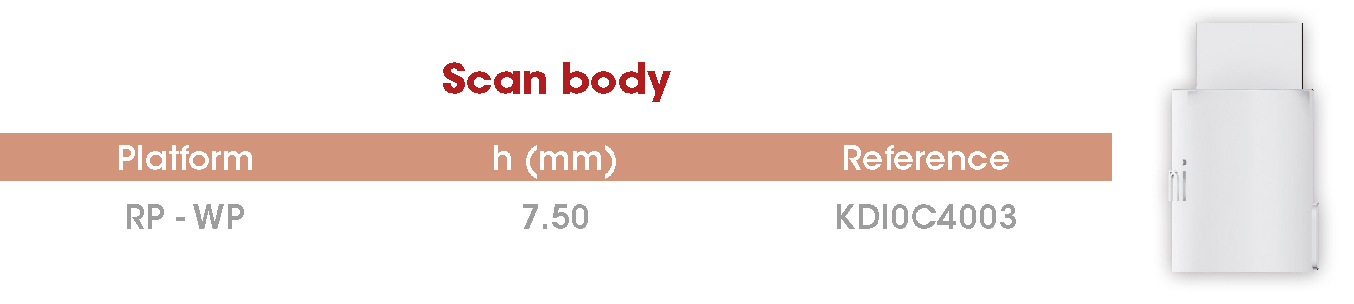
  • Scan directly on Titanium base or alternative scan on Scan abutment.
  • Scan body for laboratory use only.

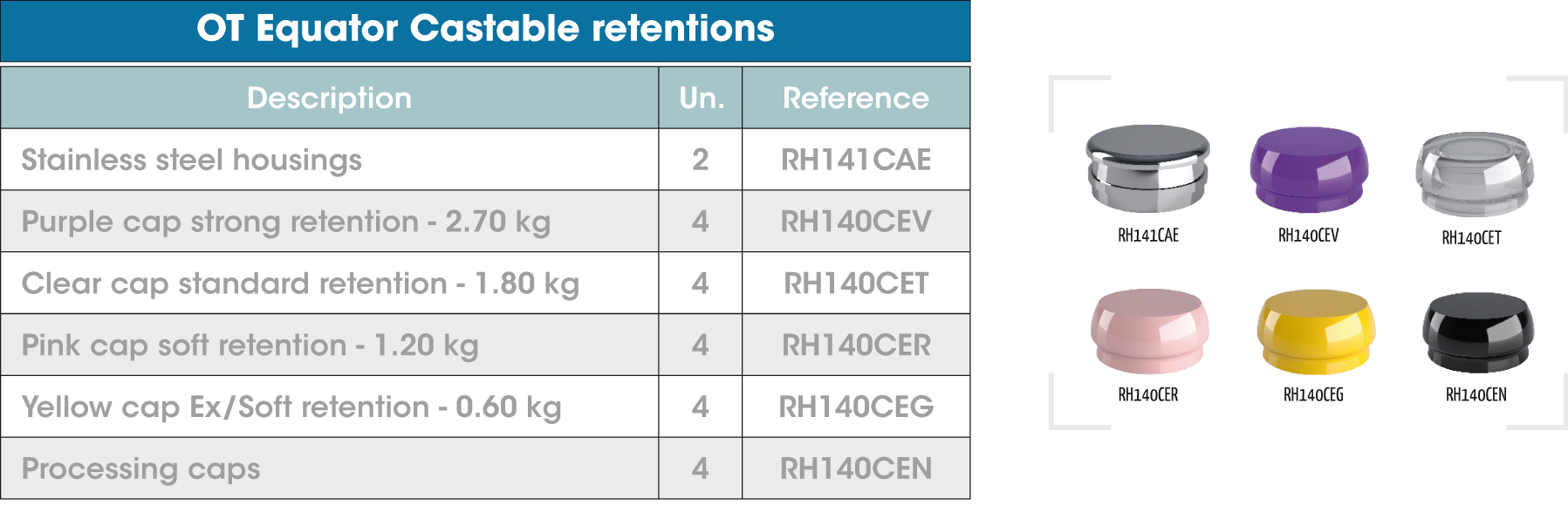
OT Equator castable

Ilerimplant introduces OT Equator Castable, the newest line of attachments for overdentures restorations supported by milled bar prosthesis, single castable abutments or cast crowns over roots. With a low vertical profile, this system offers multiple solutions for overdenture treatment planning when vertical space limitations are a consideration.

Main features
  • Stainless steel housing and retentions caps with 4 different retention grades compatible with OT Equator profile
Kit includes:
  • 2 Castable males
  • 2 Pink caps (soft retention)
  • 2 Clear caps (standard retention)
  • 2 Stainless steel housing

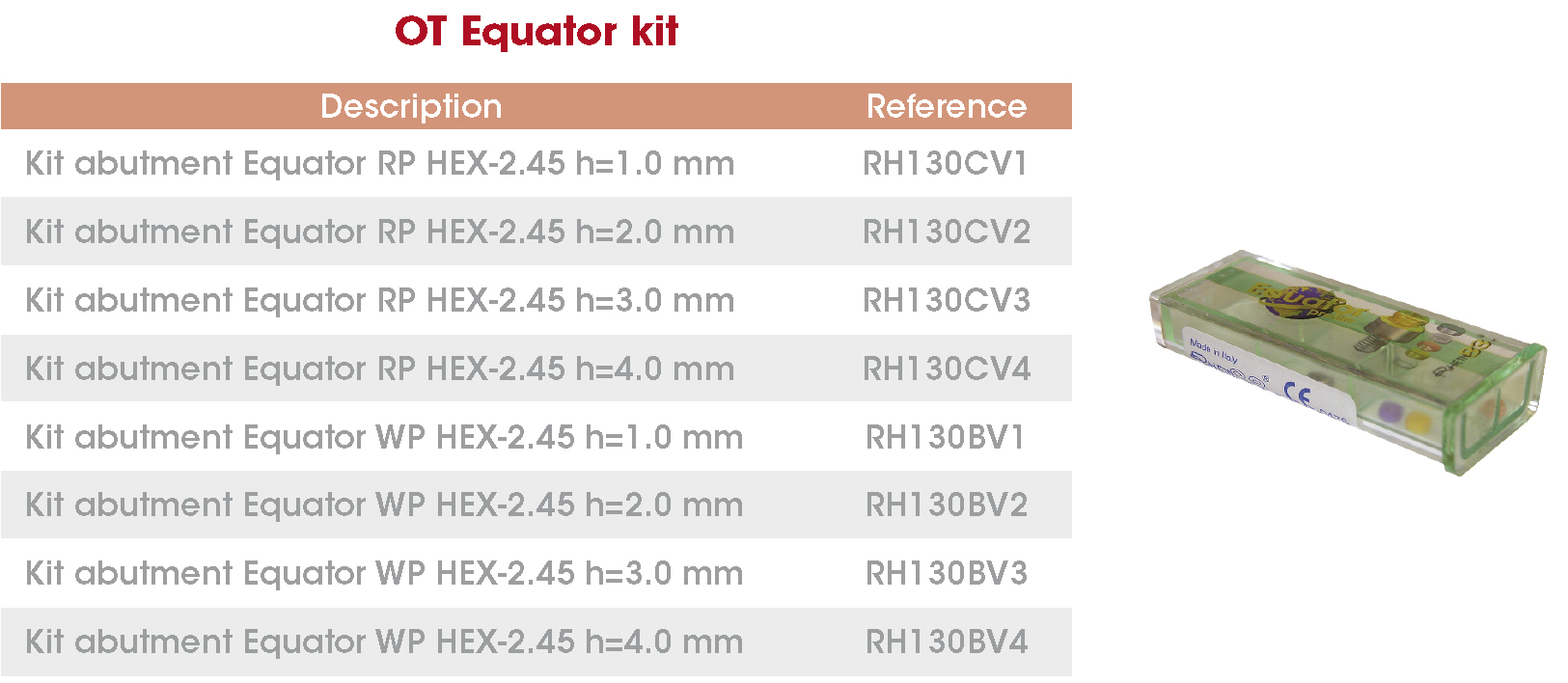
OT Equator implant

Ilerimplant introduces OT Equator, the newest line of low profile direct implant overdenture attachments. With a low vertical profile, this system offers multiple solutions for overdenture treatment planning when vertical space limitations are a consideration.

Main features

  • OT Equator System specifications is smaller than ERA and Locator Systems with vertical dimensions of 2.1 mm and 4.4 mm overall width with the female cap in place.
  • Available for gmi frontier RP and WP, gmi avantgard RP and WP, gmi phoenix Ø4.10 platform implants with cuff heights from 1 to 5.5 mm and gmi monolith.
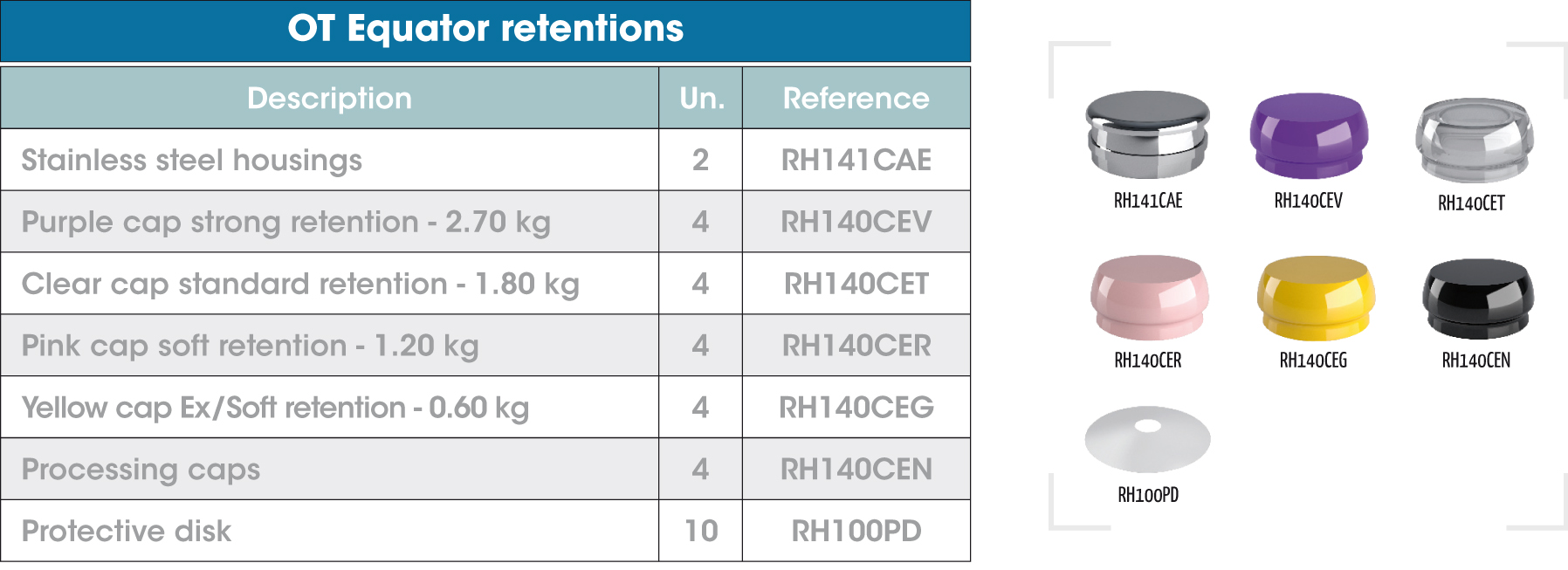
  • Female caps are retained by means of a stainless steel housing ranging in four levels of retention, making it easy to process at the dental laboratory or chairside in the dental office.

Kit includes:

  • 1 Titanium implant abutment
  • 1 Stainless steel housing
  • 1 Protective disk
  • 4 Retentive caps (Extra-Soft / Soft / Standard / Strong)

The new Smart Box is a container for caps with a innovative design that, thanks to a tilting mechanism with a fulcrum of rotation, allows compensation of up to 50º of disparallelism between dental implants.

Its mechanical internal design allows a passive insertion of the denture keeping the perfect functionality of the elastic components providing comfort and functionality in implant-retained overdenture treatments.

Replicas

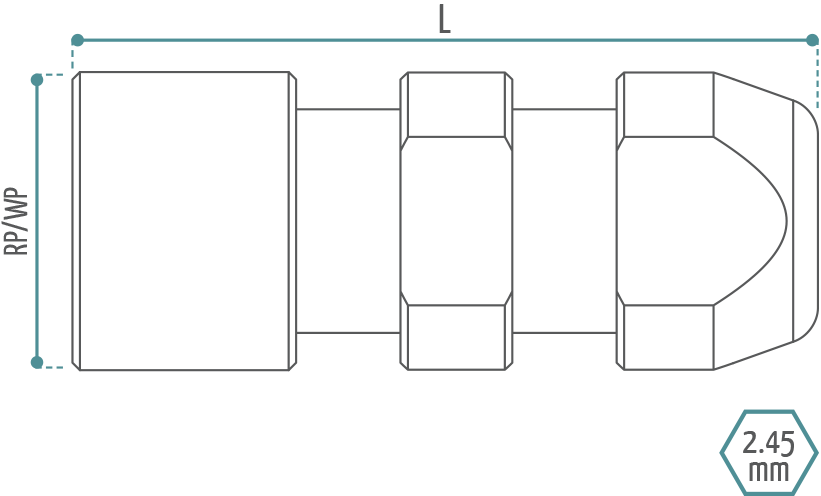
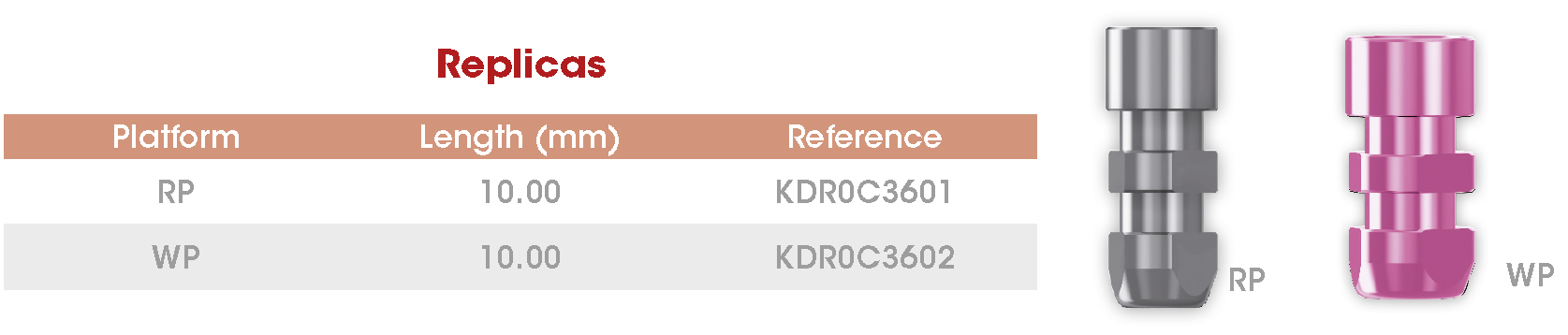
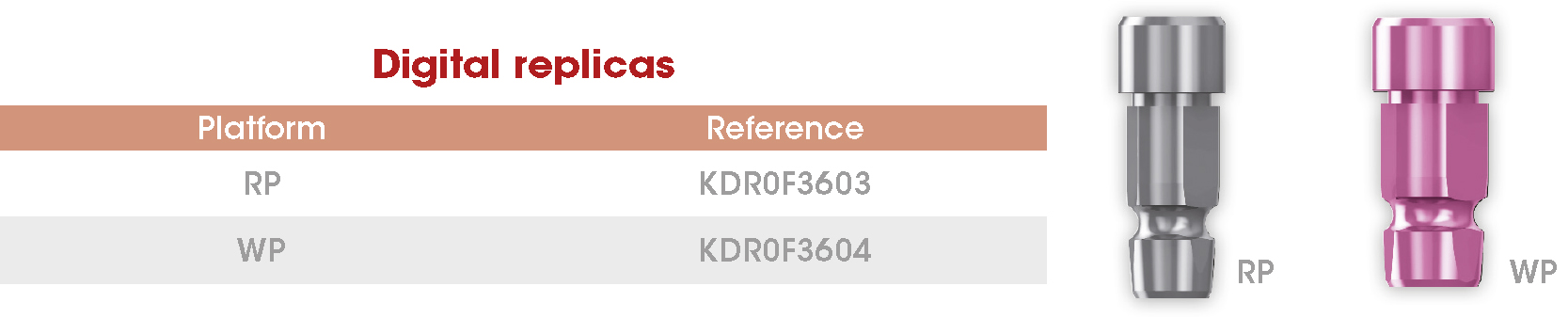
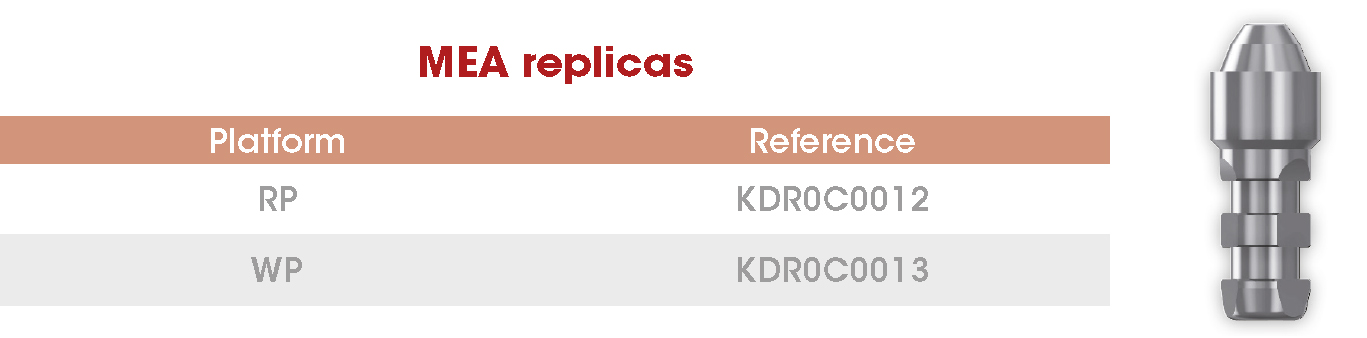
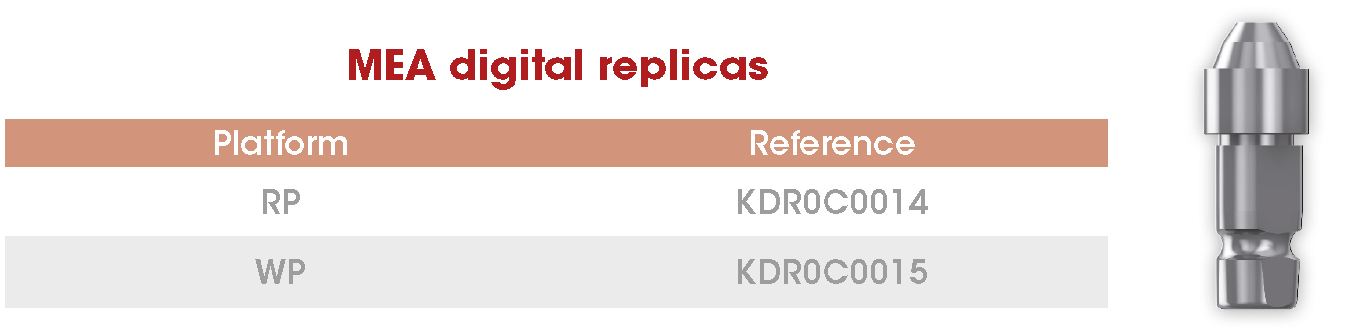
Once the transfer of the position has been made using the impression coping from the biological medium to the laboratory working model, it is necessary to use replicas, which are defined as the machined attachments designed on one hand to reproduce the implant position in the mouth of the patient to a working model, and on the other to serve as a connection model for the construction in the laboratory of the structure to carry out the restoration.

Key features
  • Grade V titanium machining as per ISO-5832 standard.
  • Anti-rotation millings and vertical retention neck for a good fixation.

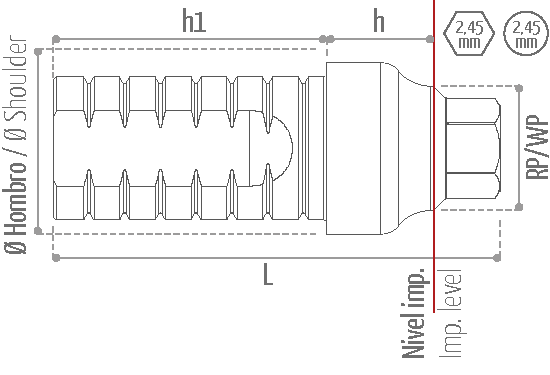
Straight abutments

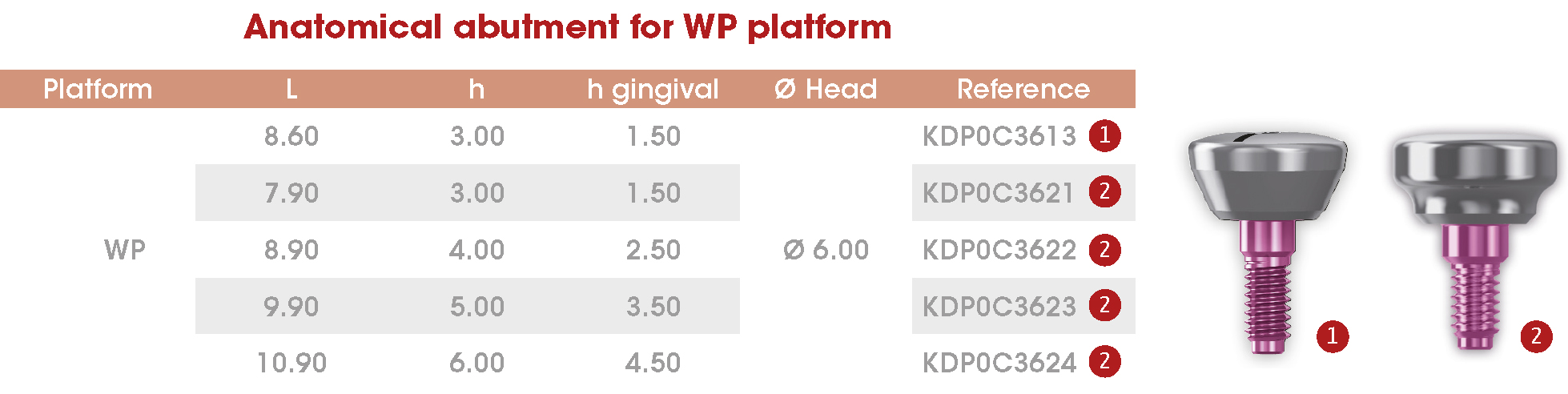
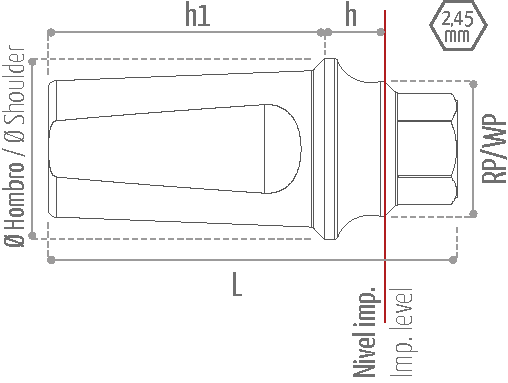
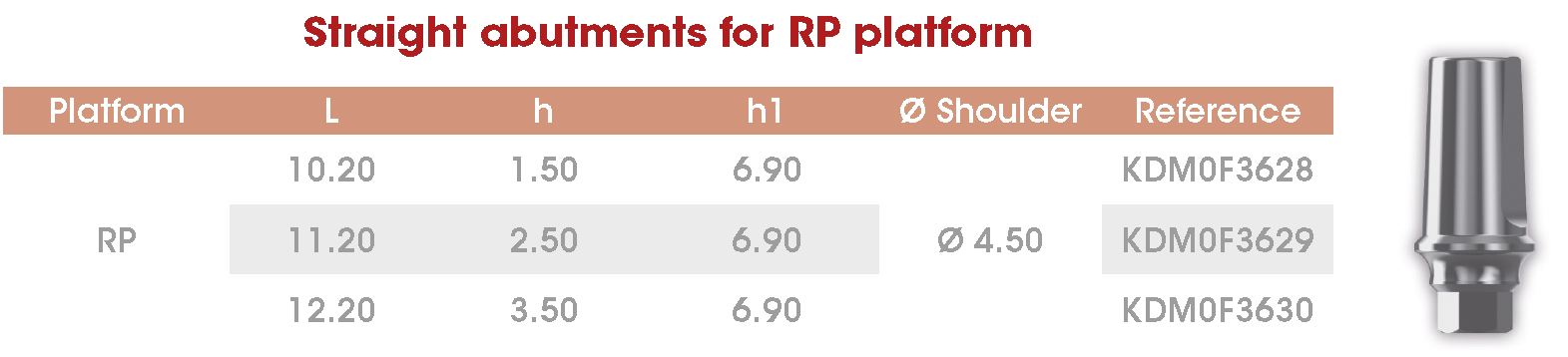
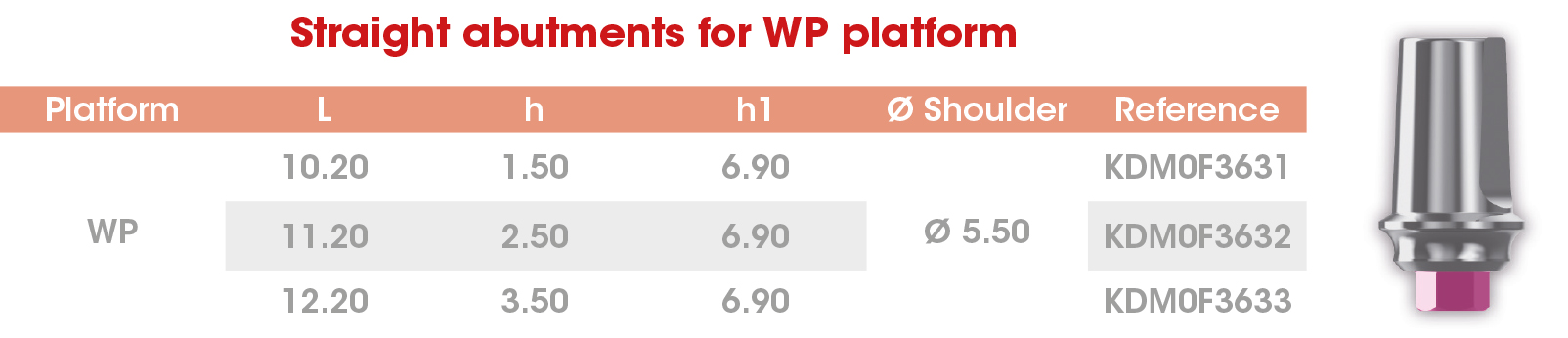
Once the mucosal tunnel has been formed by the healing abutment and after removing the cap from this location, it is appropriate to use the abutment, which is defined as the machined tapered attachment that, after being fixed with the clinic screw to the top of the implant, acts as a support for the clinic crown and is attached to it using cement.

Key features

  • Grade V titanium machining as per ISO-5832 standard.
  • Anti-rotational planes to increase retention.
  • Abutments in b/f 2.45 mm hex non-rotary version.
  • Clinic screw part no.: KDT0C3601 included.
  • Available in three emergency heights from 1.50 to 3.50 mm.

Straight temporary cylinders

When it is necessary to perform a provisional restoration while the boneimplant interfases or the soft tissues are healing, the temporary cylinder is used, defined as technical plastic machined attachment that once attached to the crown of the implant with clinic screw, will absorb most of the masticatory stresses while avoiding overloading the implant while the osseointegration process is completed.

Key features

  • Machined in high strength technical plastic.
  • Abutment shoulder adapted to the shape of the gum.
  • Anti-rotational plane and transverse retention to provide good fixation.
  • Clinic screw part no.: KDT0C3601 included.